
Creating a planting palette
Create a planting palette to cultivate a garden that supports biodiversity!
Last updated on 29 July 2026
Creating a planting palette is essential for cultivating a garden that supports biodiversity as well as visual harmony. By thoughtfully selecting a variety of plants—especially native species—you create habitats and food sources for insects, birds, and other wildlife, making your garden a vibrant, living ecosystem.
To create a planting palette, let's look at how to Design a Planting Layout, the 5 Pillars of Garden Design, and how to Choose your Biodiversity-attracting Plants.
Designing a planting layout

1. Planting according to their needs
When planting in your green space, it’s important to consider what each plant needs, just like how people have different preferences. Some plants love soaking up the sun, while others prefer shade. There are those that thrive with lots of water, and some that do better in dry, sandy soil. By paying attention to these needs, you’ll help your plants stay healthy and happy.
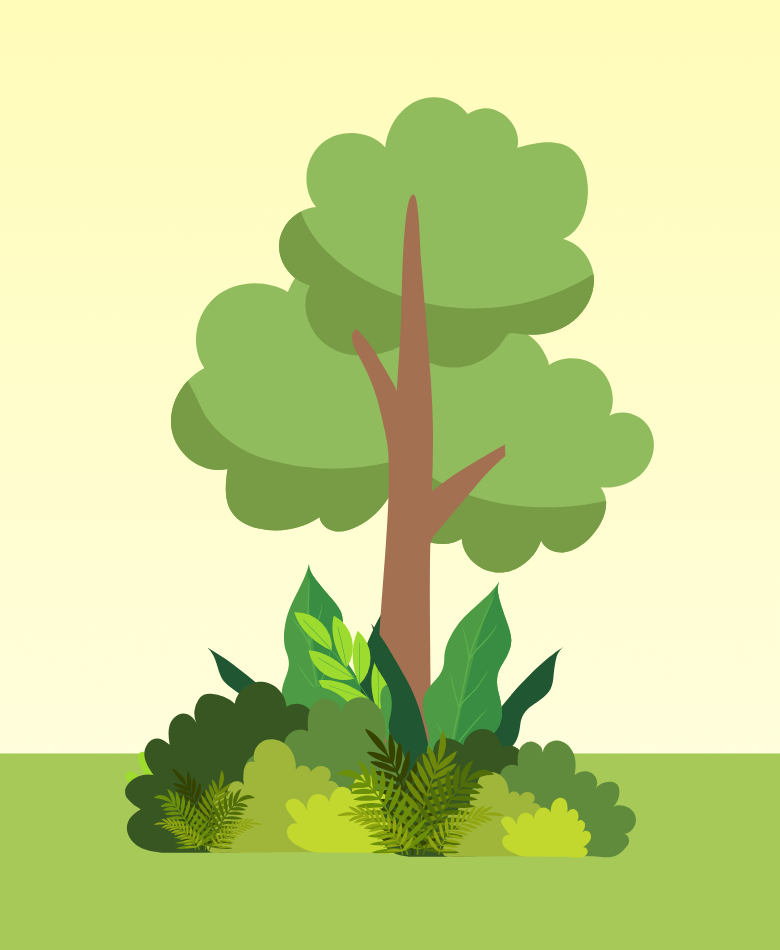
2. Create a gradient
To make your garden look beautiful and organised, try arranging your plants in a gradient. Place the tallest plants in the middle, and surround them with shorter plants as you move outwards. This creates a lovely layered effect, making it easier to see every plant and enjoy the variety.
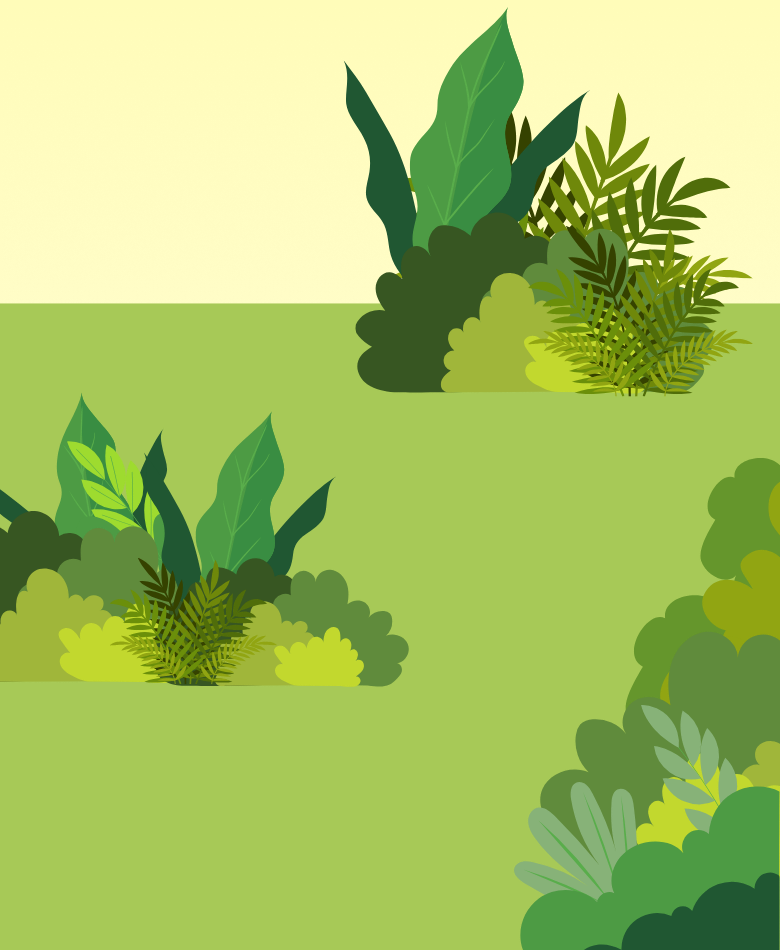
3. Plant in masses
Another helpful tip is to plant in groups or clumps, rather than placing each plant on its own. When plants are close together, they support each other and have a better chance of surviving and thriving. It’s a simple way to give your garden a natural, lush appearance while helping your plants grow strong.
The 5 pillars of garden design
Apart from knowing what your plants need, it’s just as important to think about what makes a garden look and feel welcoming. Good garden design can really make a difference to how you and your visitors enjoy the space.
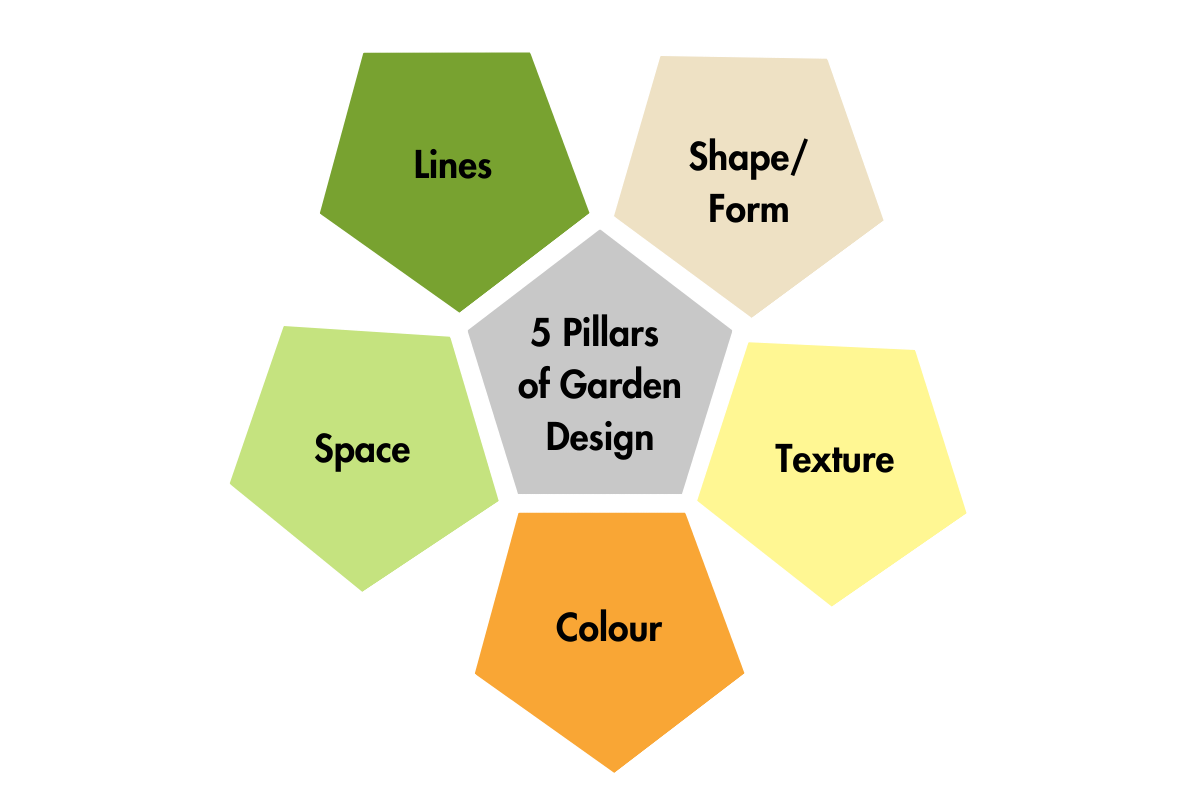
There are five key elements, or “pillars,” that form the foundation of a beautiful garden - Line, Colour, Texture, Shape/Form, and Space.
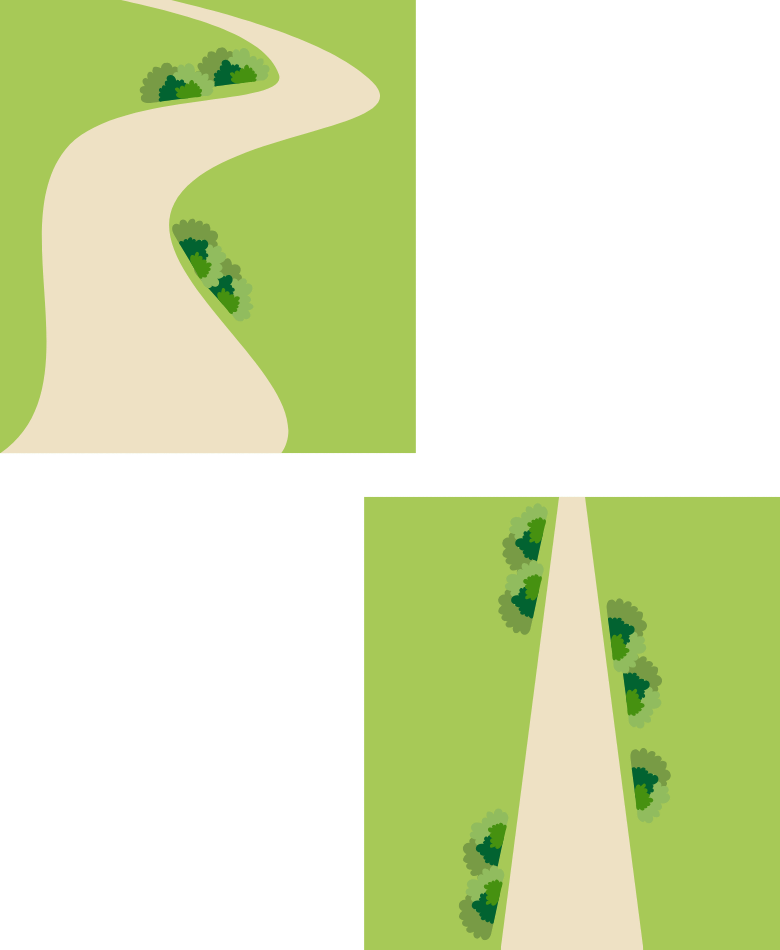
1. Lines
Lines play a big role in guiding how people move through your garden. These lines can be created by a winding pathway, or even by how you arrange or trim your plants to form neat edges and borders. By using lines thoughtfully, you can lead visitors through different areas and highlight special spots in your green space, making the whole experience more enjoyable and organised.
2. Colour
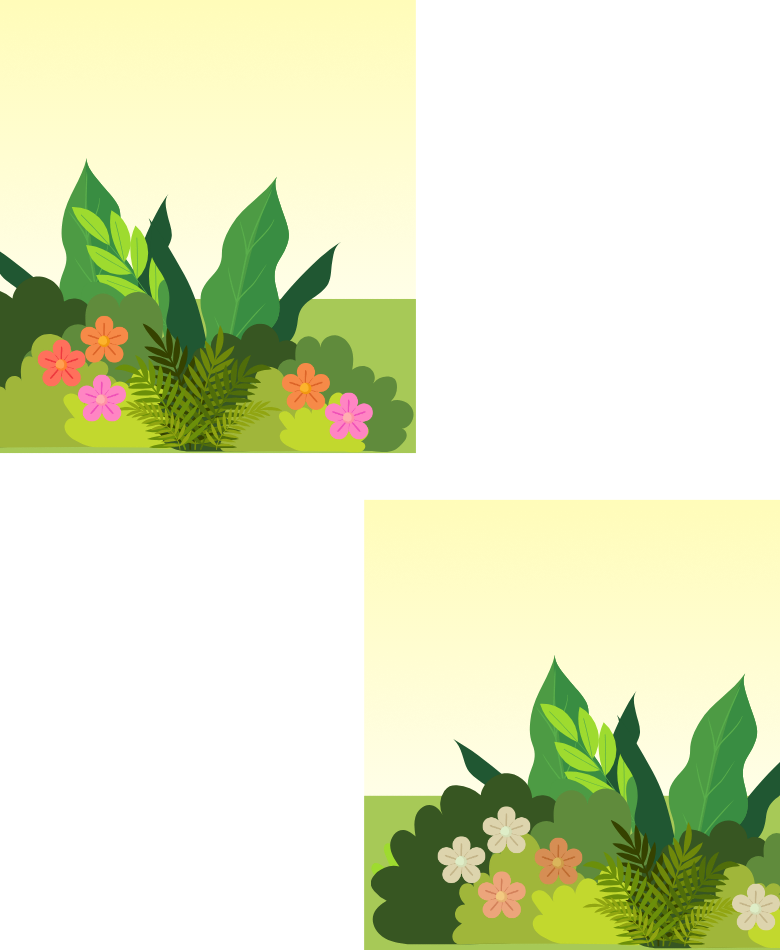
Colour is a powerful element in garden design because people react to colours in different ways. Bright colours can make your garden feel lively and exciting, while softer, cooler tones might create a more peaceful and calming atmosphere. By choosing a mix of colours thoughtfully, you can set the mood for your visitors and make their experience memorable.
3. Texture
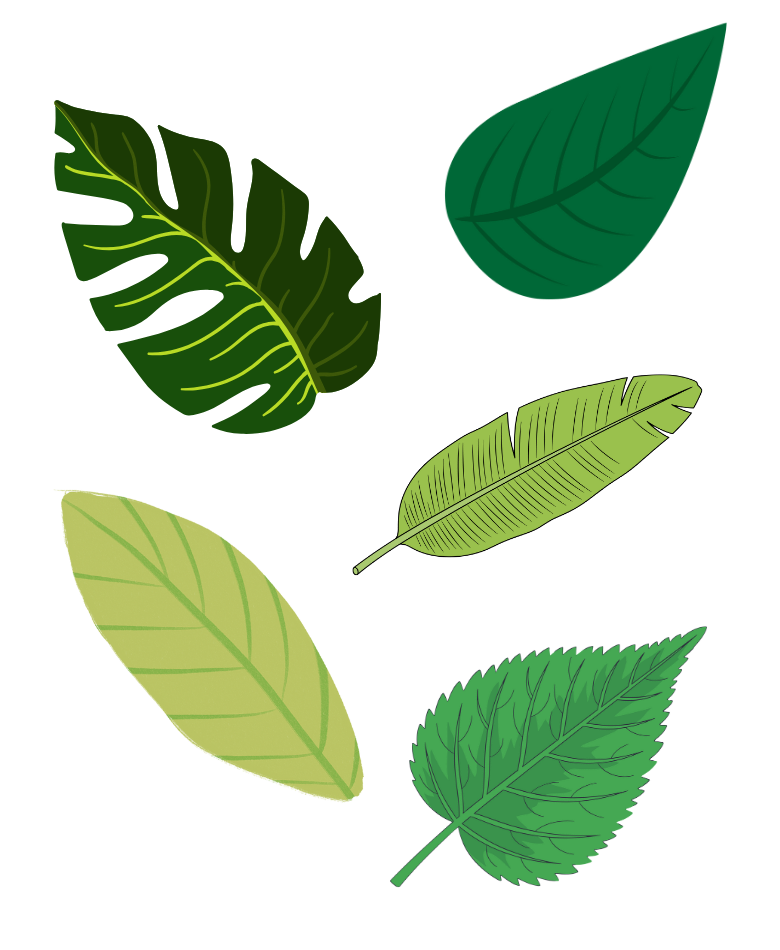
Texture is another important aspect to consider. Some plants have fine, delicate leaves that give a light and airy feel, while others have broad, sturdy leaves that feel strong and bold. You might notice that gardens with a mix of hard and soft, rough and smooth textures feel more interesting and natural. Playing with textures gives your garden a unique character and keeps it visually engaging.
4. Shape/Form
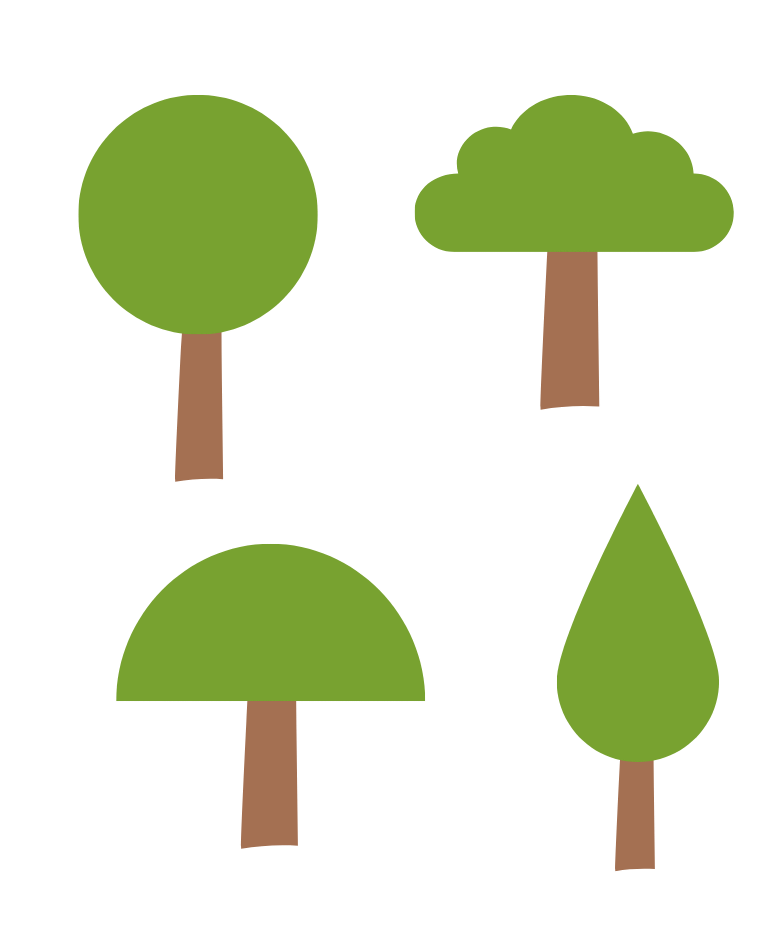
Shape and form also play a big role in how a garden looks and feels. Individual leaves might be round, pointed, or even heart-shaped. The overall shape of a plant, like a conical pine tree or a bushy shrub, can add variety and structure. When you plant groups of the same species together or trim them in certain ways, you can create beautiful shapes that stand out and draw attention.
5. Space
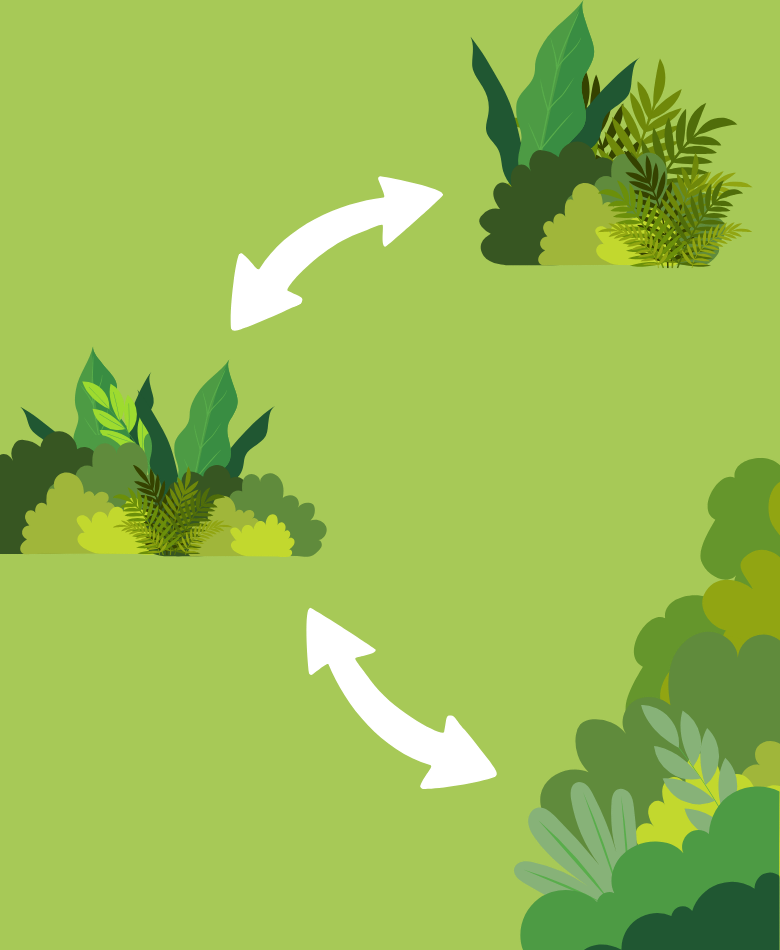
It’s important to leave enough open areas in your garden so visitors can rest their eyes and truly enjoy the beauty around them. If you cram too many plants together, it can feel cluttered—just like a messy bedroom where there’s no room to breathe. Well-planned empty spaces make your garden feel welcoming and comfortable, inviting everyone to relax and take in the scenery.
Choosing your biodiversity-attracting plants
Depending on what kind of biodiversity you are looking to attract, you can pick some biodiversity-attracting plants (opens in new tab) to plant in your garden!
For instance, if you want to attract butterflies, consider planting host plants. If you’re interested in drawing more birds, adding native fruiting shrubs or trees can provide both food and shelter for them. Choosing a variety of flowering plants that bloom at different times ensures there’s always something for pollinators and other wildlife to enjoy, helping to create a lively and thriving ecosystem in your garden.
Not sure what to grow?
Find a plant to grow based on your garden space over at GardeningSG!
Now that you have greened your space, take the next step by setting up a biodiversity trail!