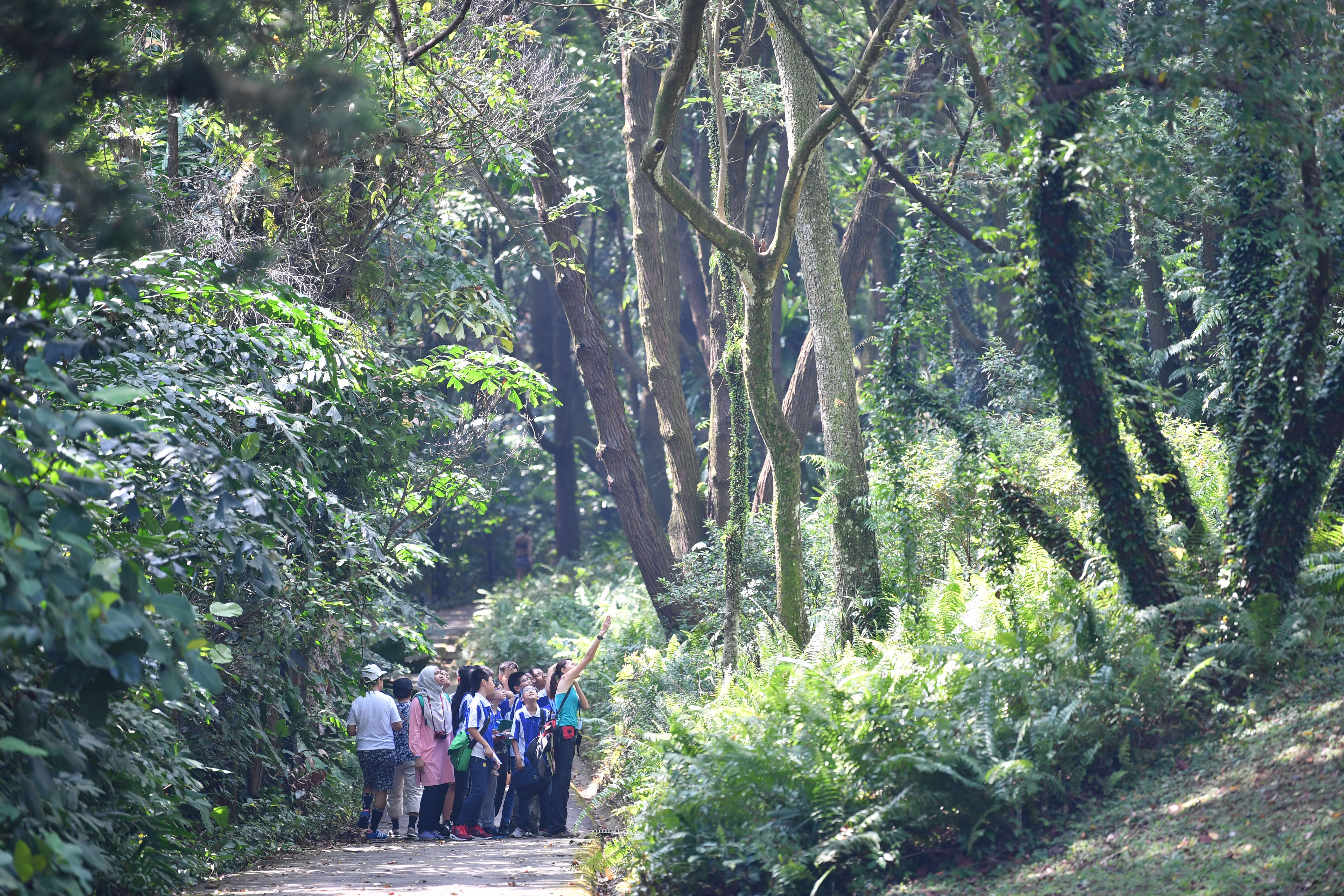
Tropical Forest Ecology Research Programme
Learn more about NParks' collaborative long-term forest monitoring project.
Last updated 17 June 2026
What is the Tropical Forest Ecology Research Programme?
The Tropical Forest Ecology Research Programme was launched by the National Parks Board (NParks) in March 2021. It maintains long-term research plots in Singapore’s forests where ecological research can be co-located to maximise potential synergies between projects. The overall aim is to inform forest conservation strategies and policy in Singapore and the region.
Long-term Forest Ecological Monitoring
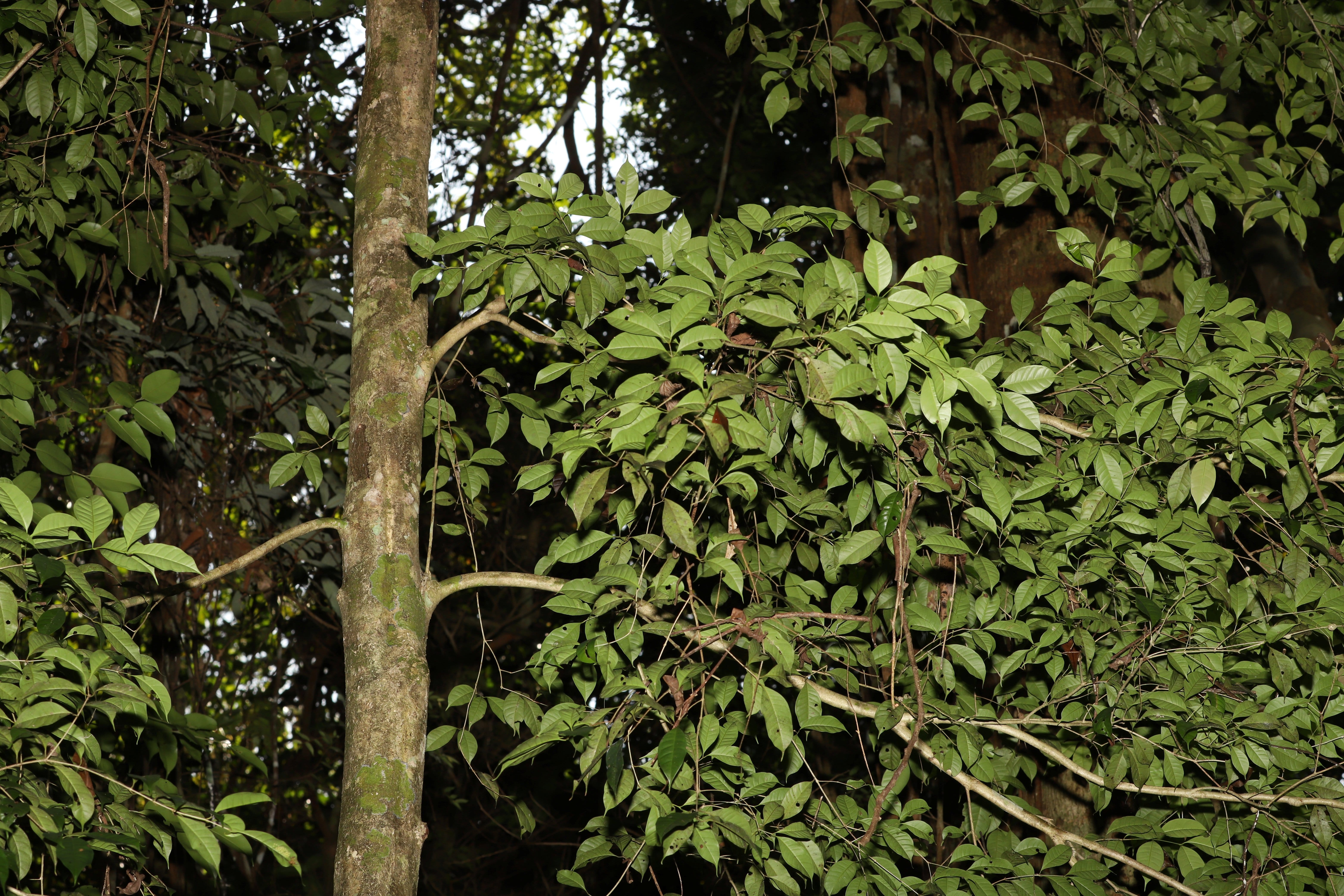
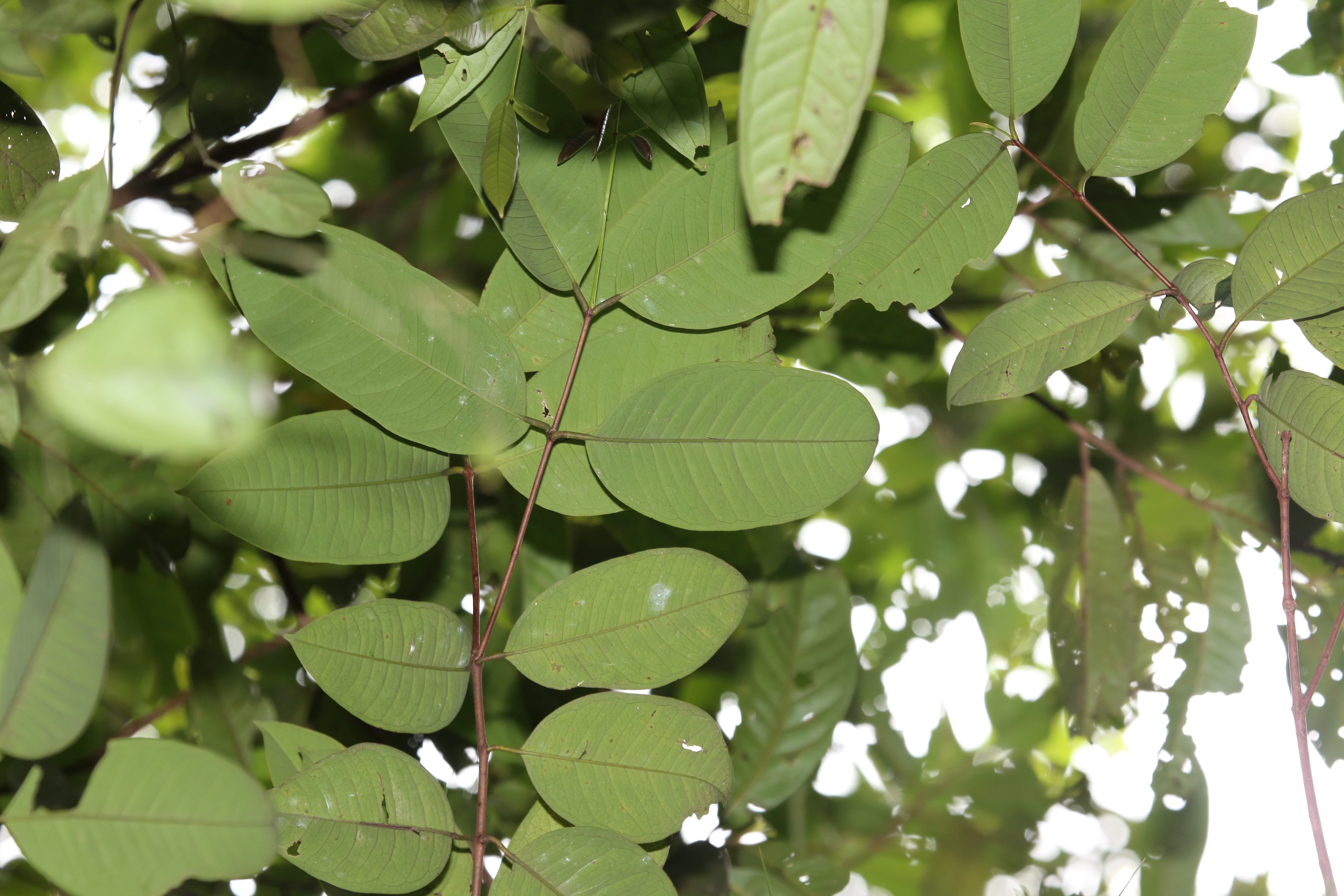
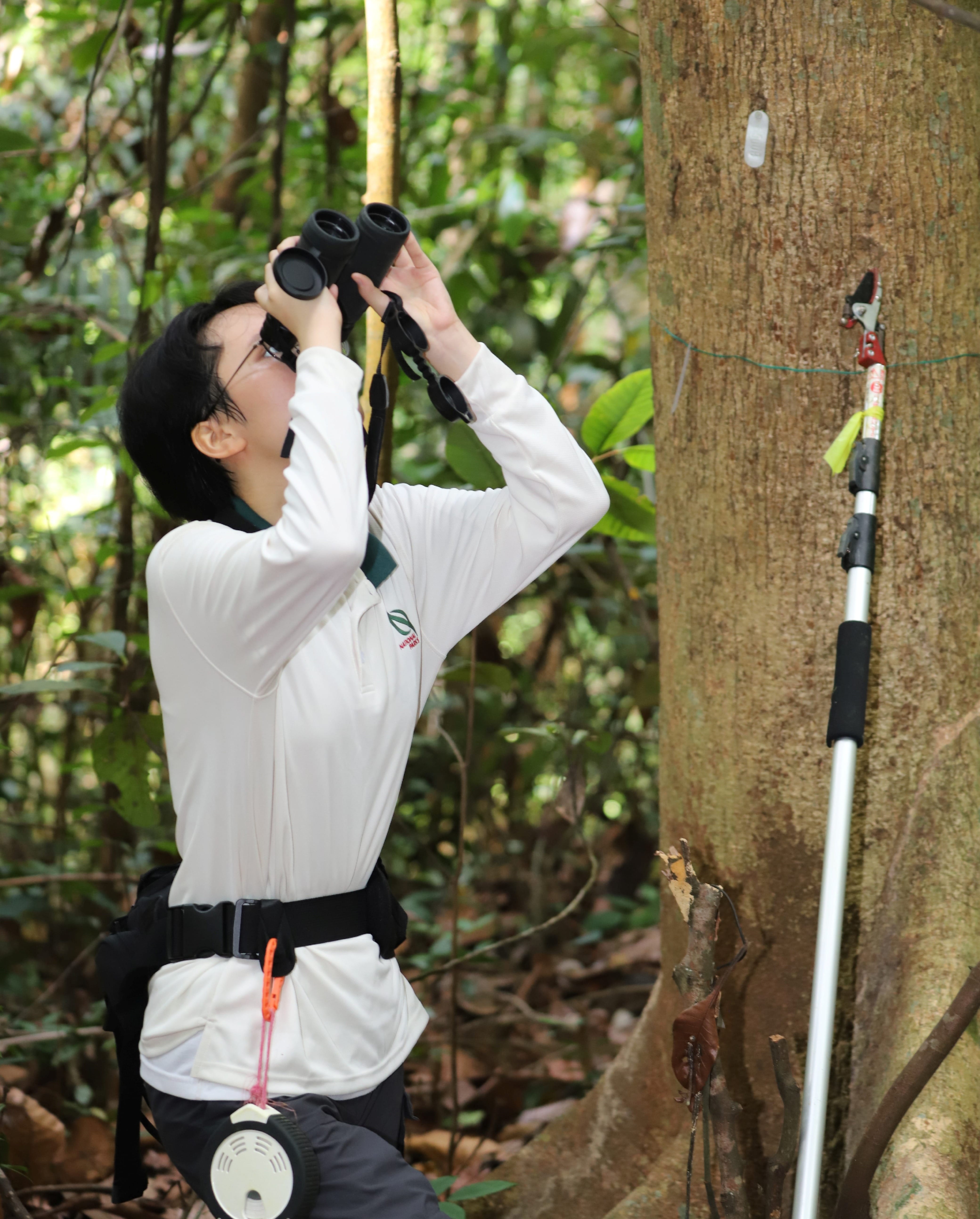
From 2021 to 2025, NParks consolidated a network of 160 long-term forest study plots across the Central Catchment Nature Reserve and selected Nature Parks. These plots are fixed areas that are surveyed repeatedly over time to monitor changes within our forests.
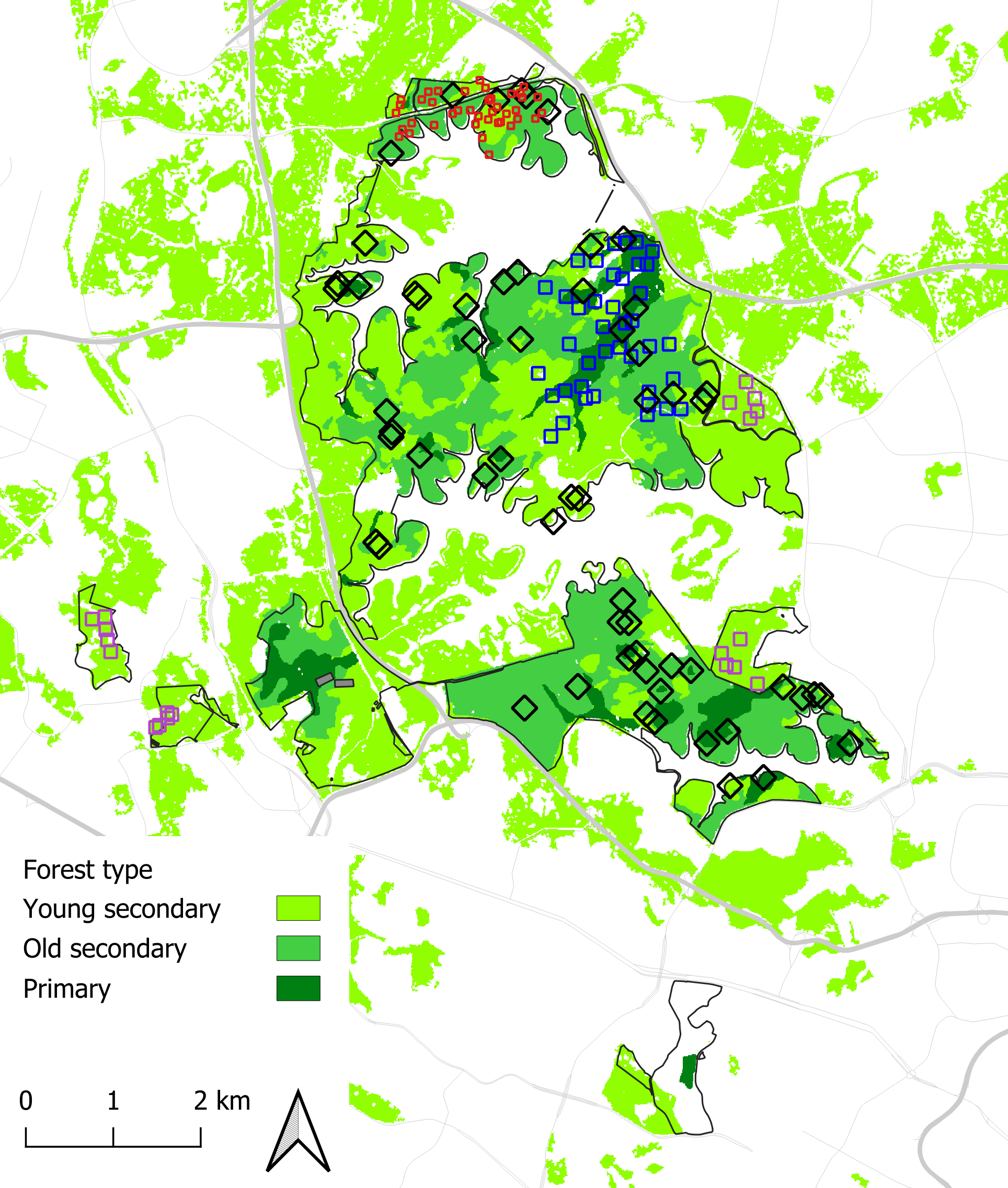
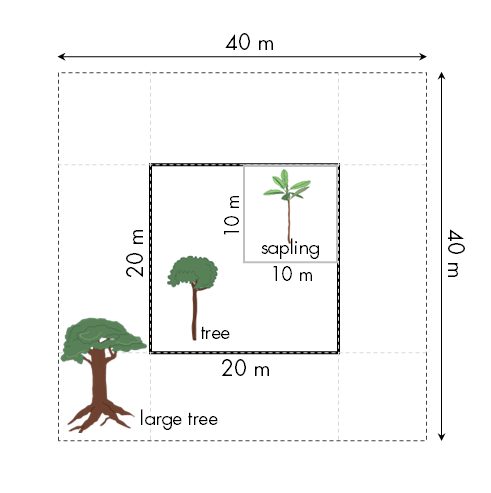
Analyses of plot survey data from 1992-2022 reveal that Singapore’s young forests are maturing steadily, while our older primary forest patches have seen a decline in large trees over this 30-year period, with storm damage identified as a key contributing factor.
Tracking and understanding these long-term patterns allows us to develop more targeted strategies for forest protection and restoration—ensuring that Singapore’s forests remain resilient for generations to come.
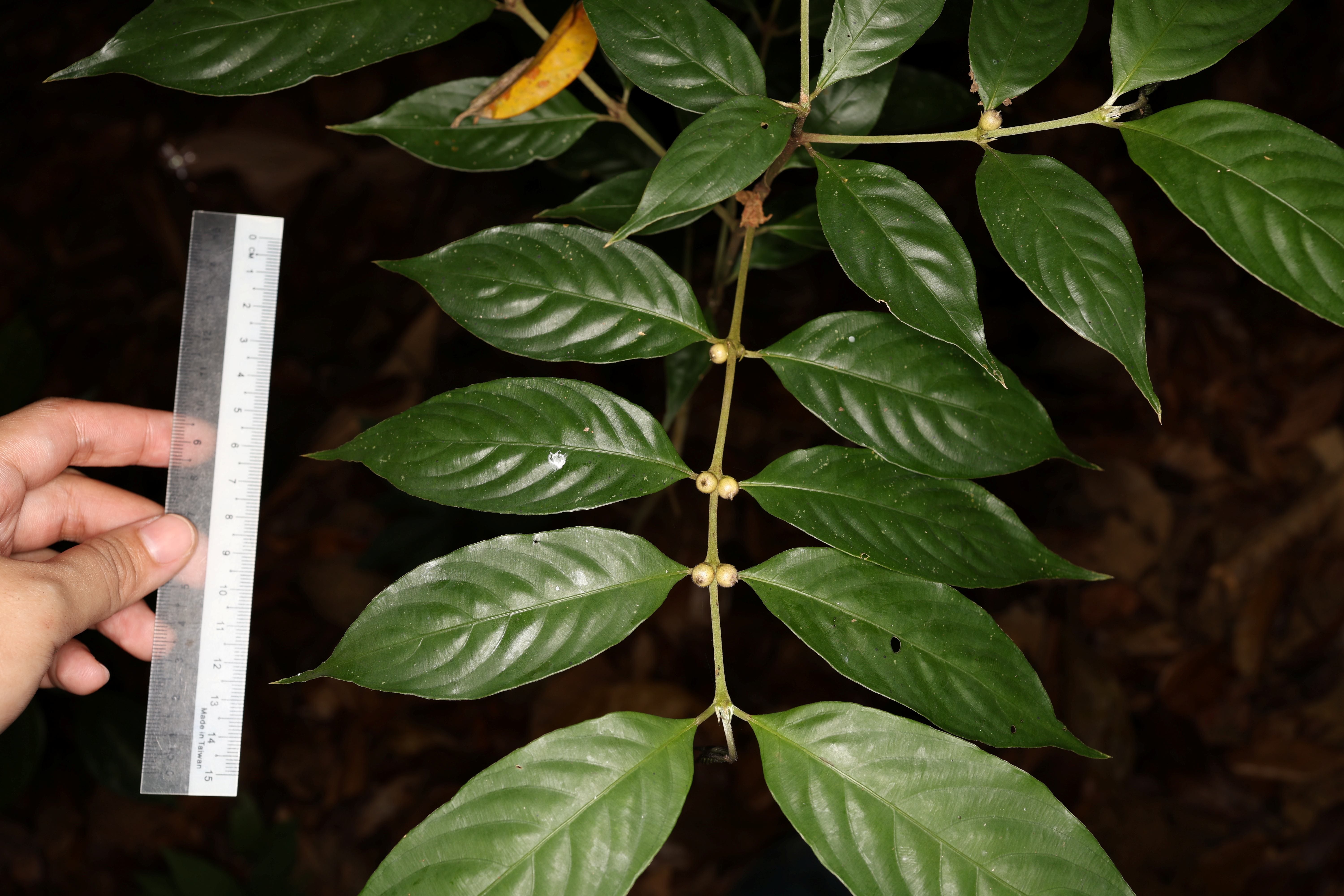
These surveys also yield rediscoveries and new botanical records for Singapore. Four species originally thought to be extinct locally have since been rediscovered, and two new species records have been added to the flora of Singapore.
.jpg)
Wildlife Monitoring in Singapore's Forests
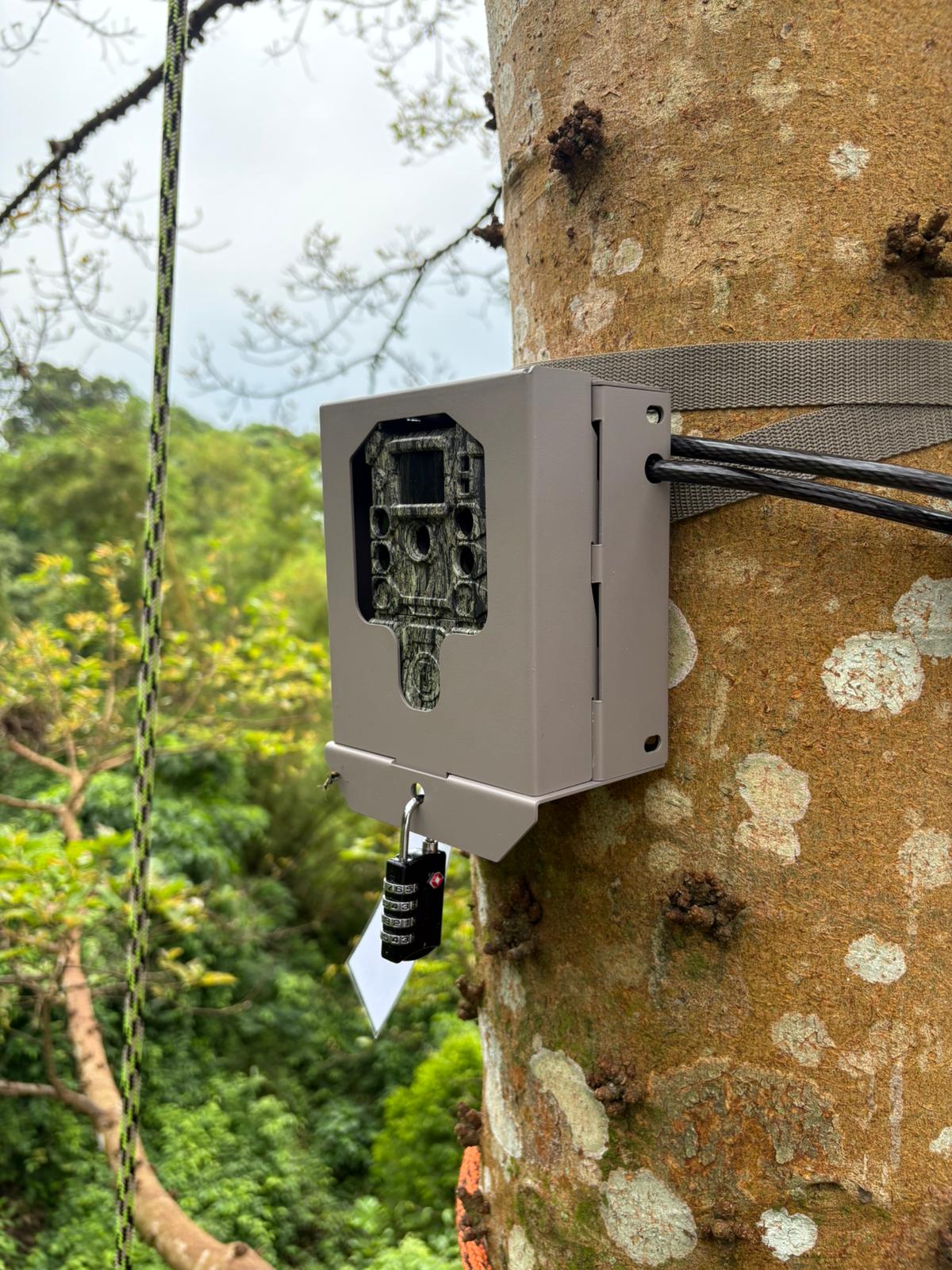
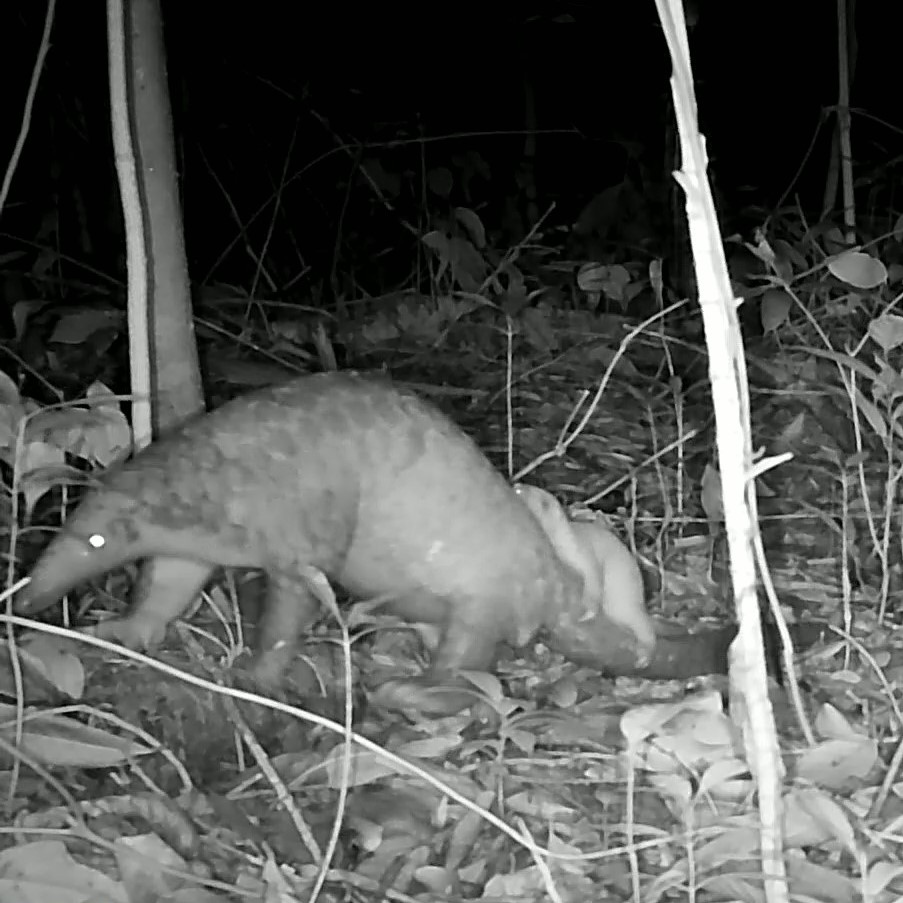
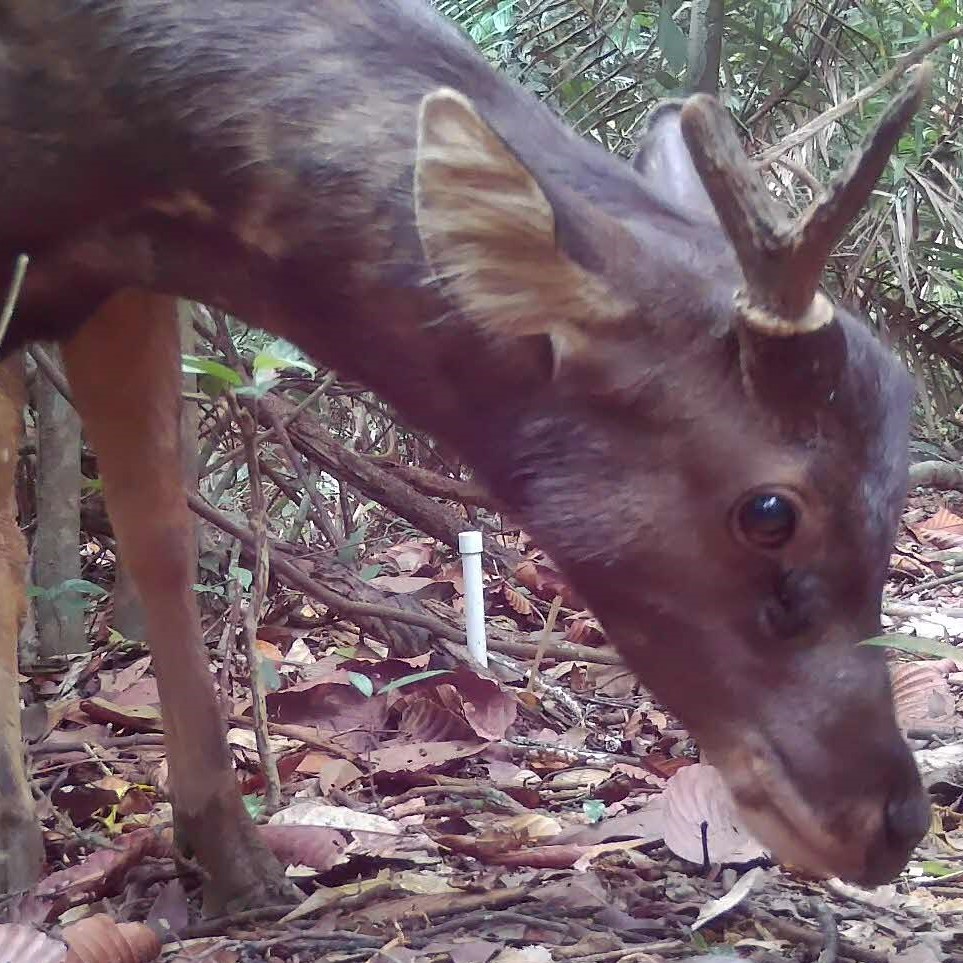
Singapore’s forests are home to a rich variety of wildlife, but many of them spend a large proportion of their time in the treetops or are simply hidden from plain sight. To survey what lives here, NParks uses motion-triggered cameras deployed across the forest, from the ground up into the canopy.
These cameras have also been essential in capturing the behaviour and routines of wildlife, such as a Greater Racket-tailed Drongo mobbing a Changeable Hawk-eagle and the antler-shedding cycle of Sambar Deer.
_475_edited.jpg)
Though frequently overlooked, insects and other small creatures are also vital to the functioning and resilience of our forest ecosystems.
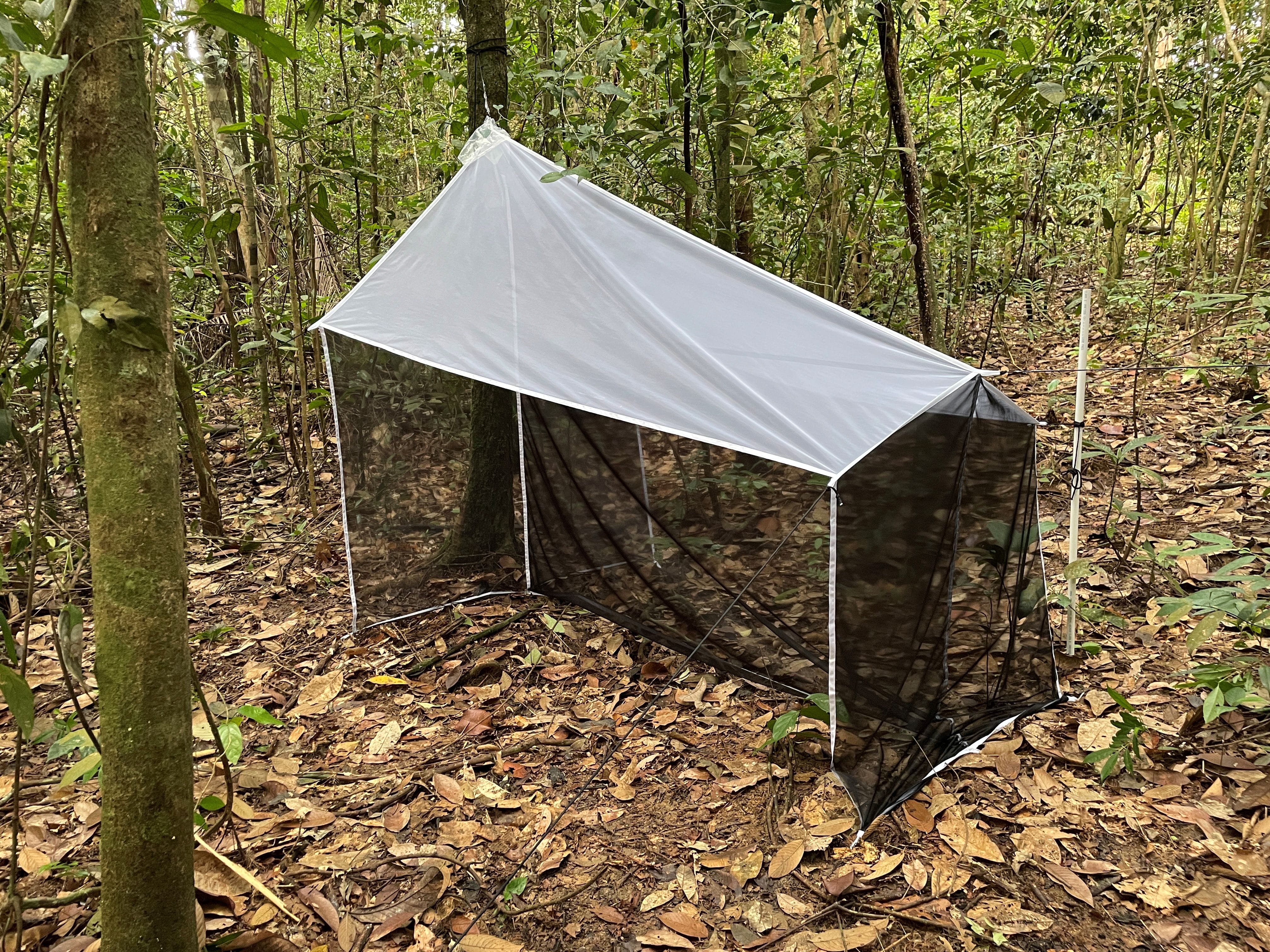
As part of the ongoing comprehensive survey of the Central Catchment Nature Reserve and its environs, research teams from the National University of Singapore and the Nanyang Technological University have been studying invertebrates from the leaf litter on the ground, through the understorey, and up into the canopy of our forests.
The results so far have unveiled the tremendous diversity of our forest invertebrates, many of which are not just new records for Singapore but potentially new to science.
Other Long-Term Forest Monitoring Sites
Within Bukit Timah Nature Reserve lies the Bukit Timah Forest Dynamics Plots, two 2-hectare plots that are Singapore’s contribution to the Forest Global Earth Observatory (ForestGEO), a worldwide network of large long-term forest study plots. Established in 1993 and 2004 respectively, they are re-censused regularly, allowing us to understand our precious forest ecosystems and how they are developing over time.
Completing the set of long-term forest monitoring sites is the Singapore Botanic Gardens Rain Forest, an unlogged patch of forest within the Gardens that is censused every ten years since the 1990s.
 (1).jpg)
.JPG)
.jpg)