
Cities of Tomorrow — Studying leaf litter invertebrates
Learn more about leaf litter invertebrates in Singapore, and the Asian School of the Environment's project studying their diversity.
Last updated on 11 August 2026
What are leaf litter invertebrates?
An estimated 60% of the world’s species are found in soil and leaf litter. These invertebrates perform critical ecosystem functions such as nutrient cycling — converting dead organic matter into nutrients that can be stored in soil or taken up by plants.
Why are leaf litter invertebrates challenging to study?
Leaf litter invertebrates are extremely diverse and many species look very similar under the microscope, making it difficult to visually distinguish them. A lack of global taxonomic expertise further complicates describing new species and reliably identifying existing ones.
DNA barcoding technology is thus required to distinguish between different invertebrate species. In Singapore, researchers have applied DNA barcoding to invertebrates from a range of taxa, including: wood lice (Isopoda), millipedes (Diplopoda), centipedes (Chilopoda), earwigs (Dermaptera), mites (Oribatida), cockroaches (Blattodea), rove beetles (Coleoptera: Staphylynidae), weevils (Coleoptera: Curculionidae) and moths/butterflies (Lepidoptera).
Leaf litter invertebrate diversity in Singapore
Surveys have detected at least 45 different orders of invertebrates from leaf litter.
Among these orders, beetles (Coleoptera), wood lice (Isopoda), flat-backed millipedes (Polydesmida), mites (Oribatida and Mesostigmata), springtails (Entomobryomorpha, Poduromorpha, and Symphypleona), harvestmen (Opiliones), and pseudoscorpions (Pseudoscorpiones), are highly speciose and poorly studied, and thus likely to contain many undescribed species and new records to Singapore.
The Plant-Invertebrate Ecology (PIE) Lab and the Tropical Ecology and Entomology (TEE) Lab from the Asian School of the Environment are currently working with taxonomic experts to identify and describe some of these species.
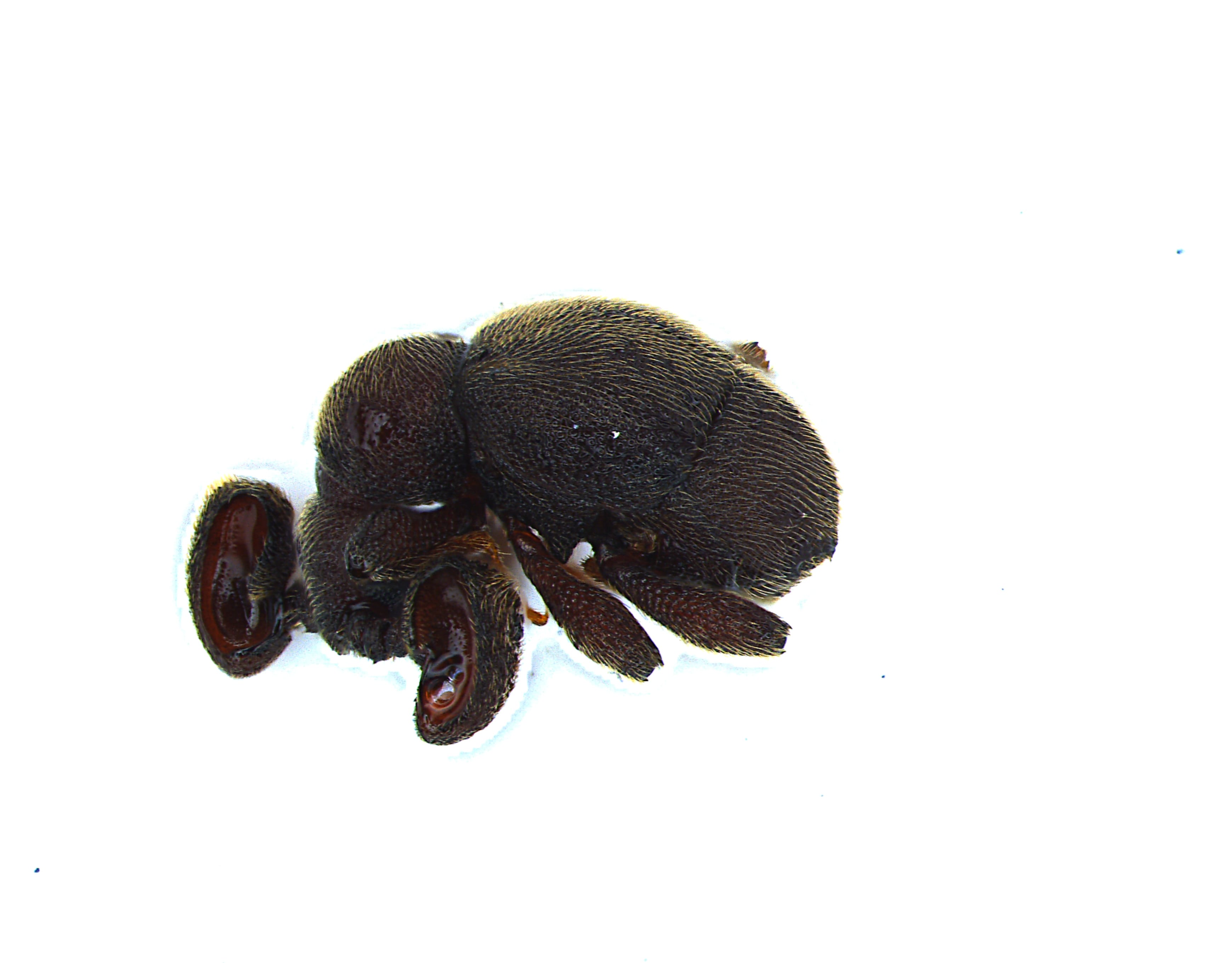
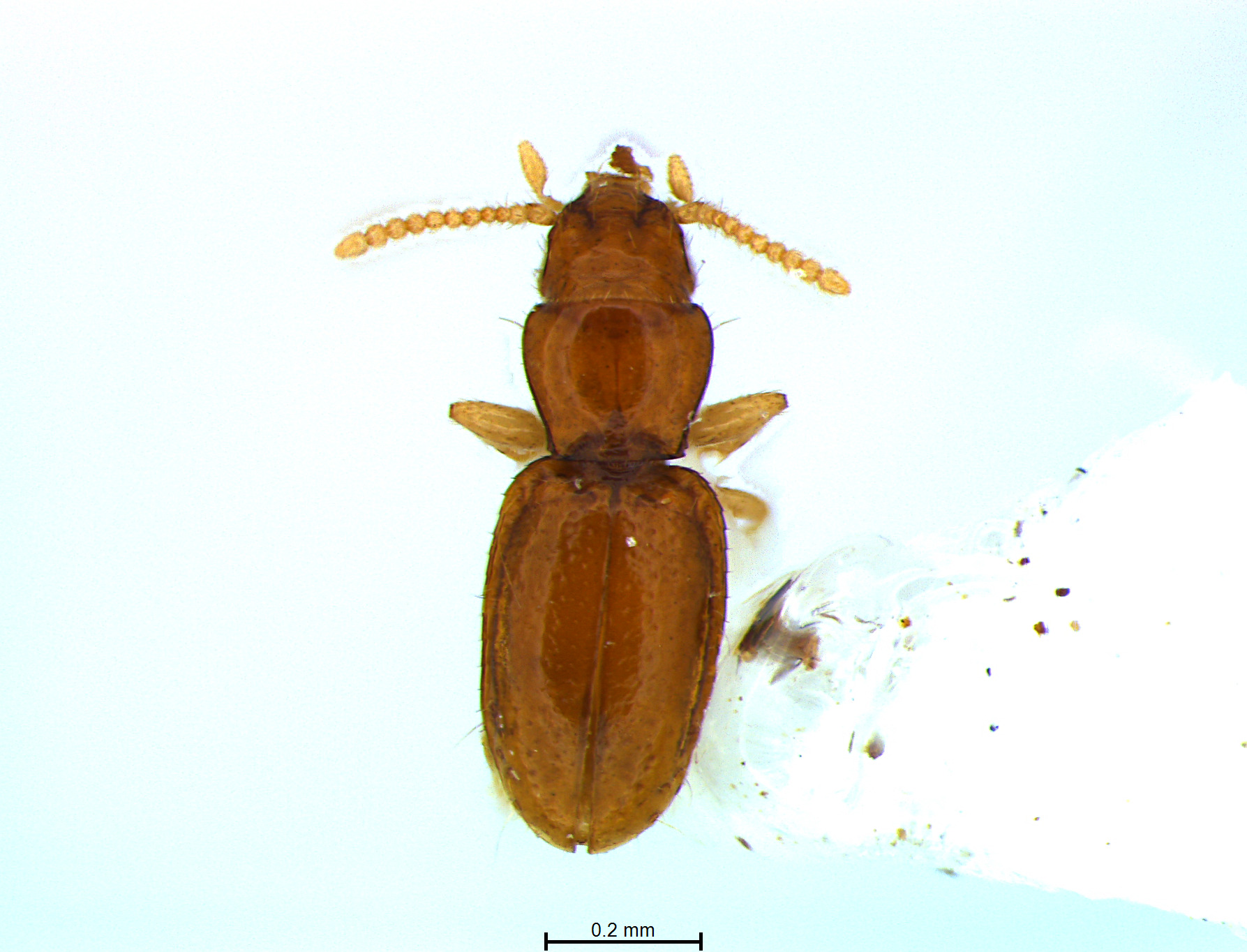
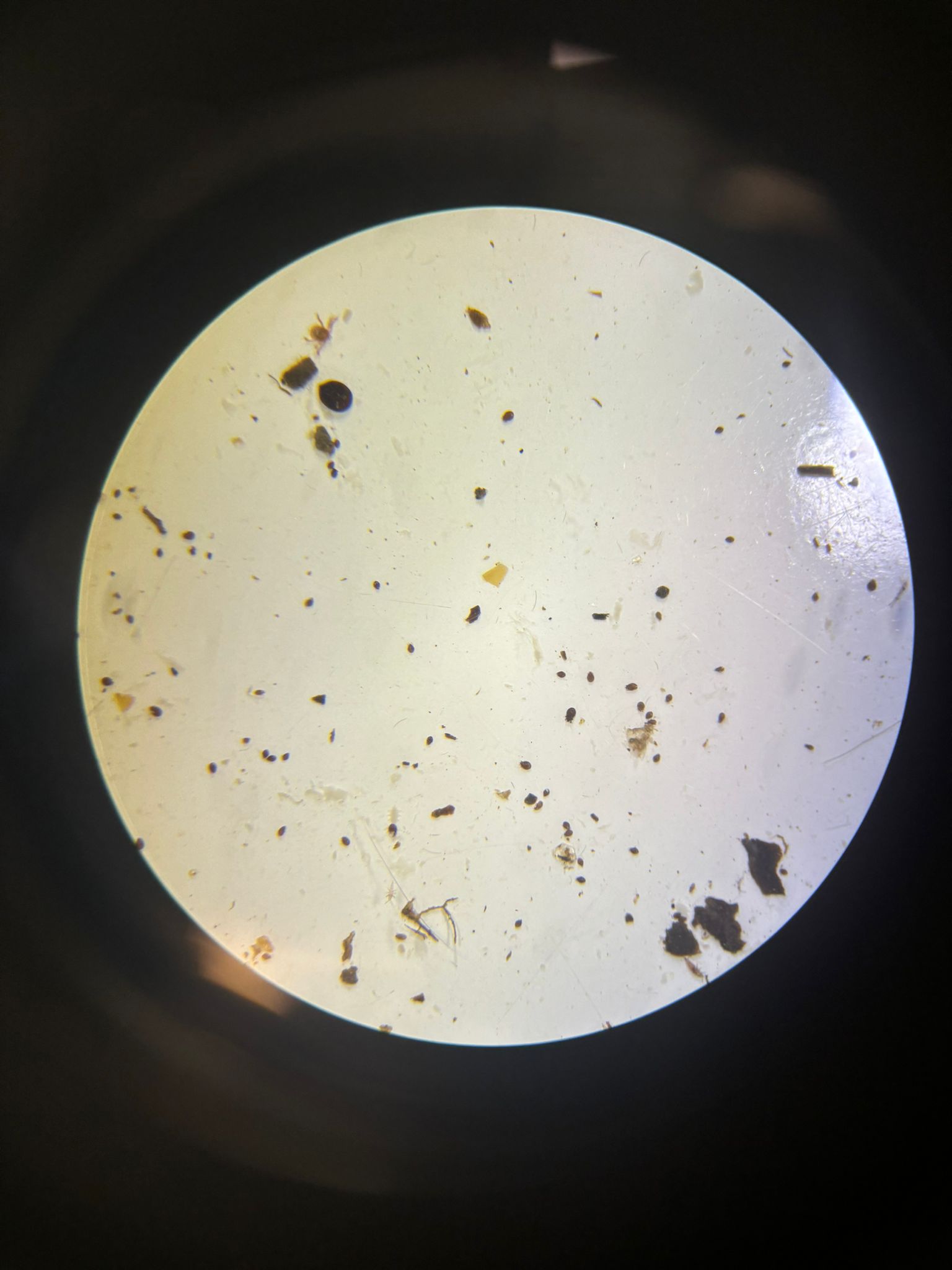
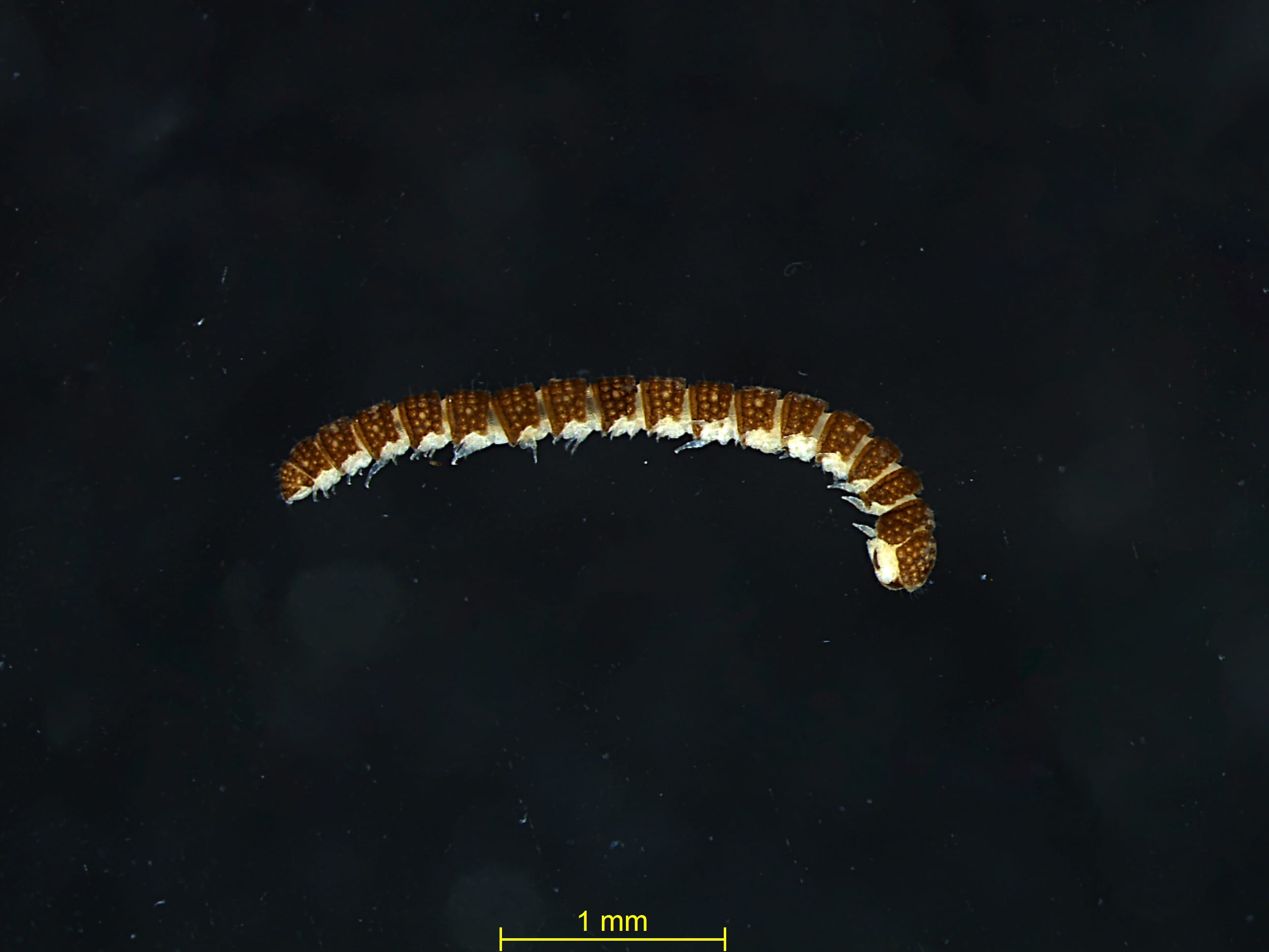
Studying leaf litter invertebrates in Singapore
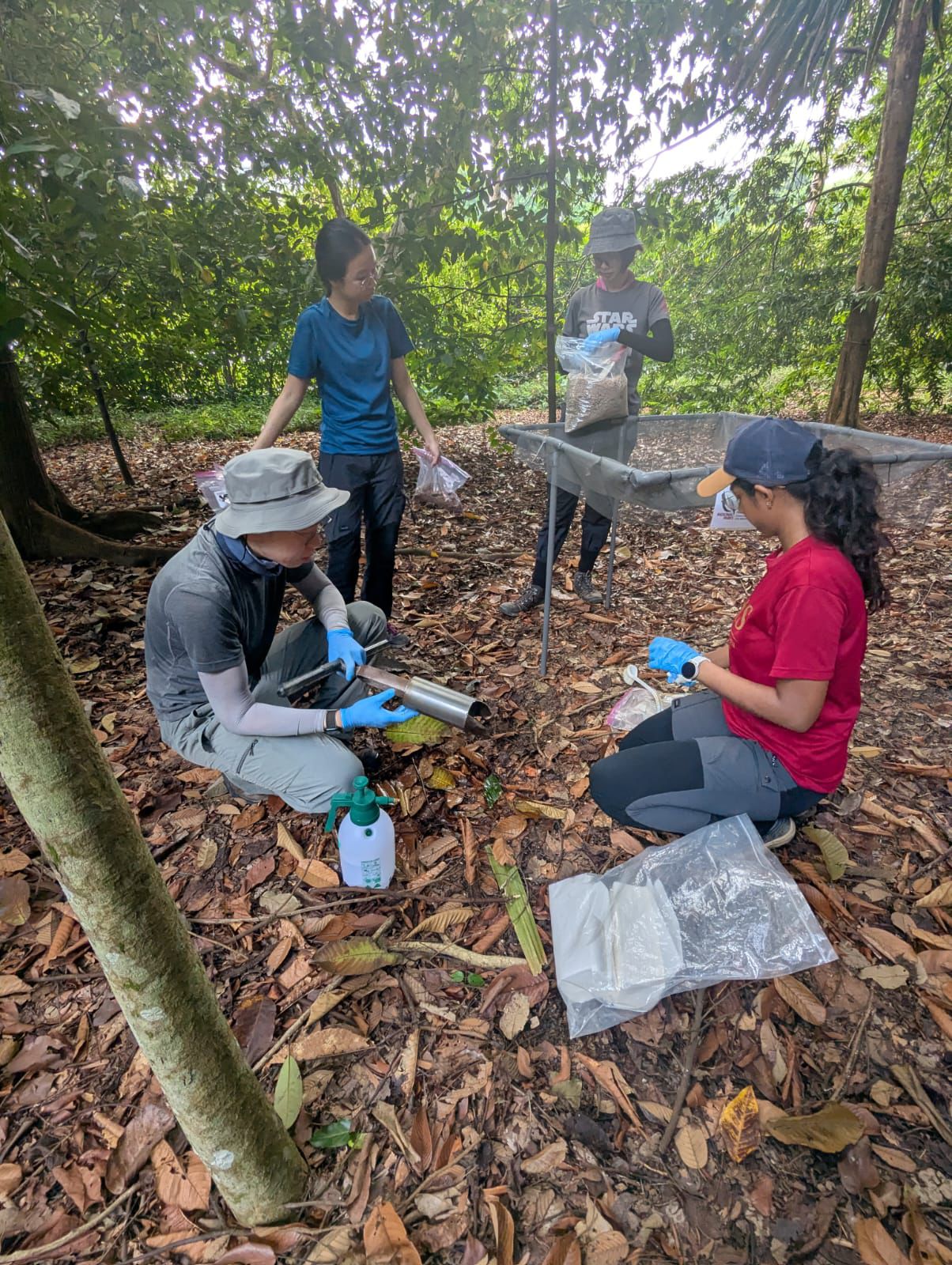
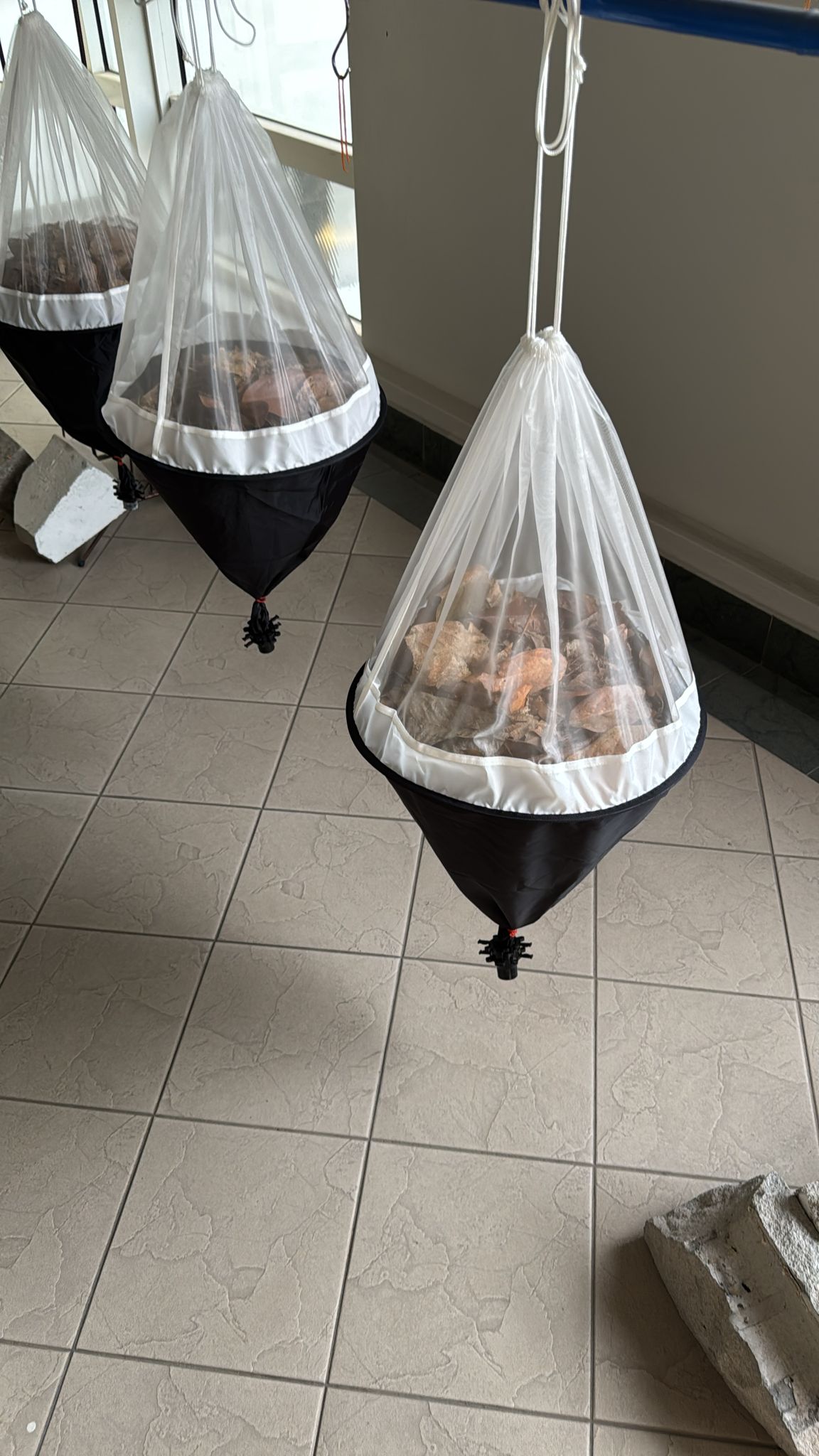
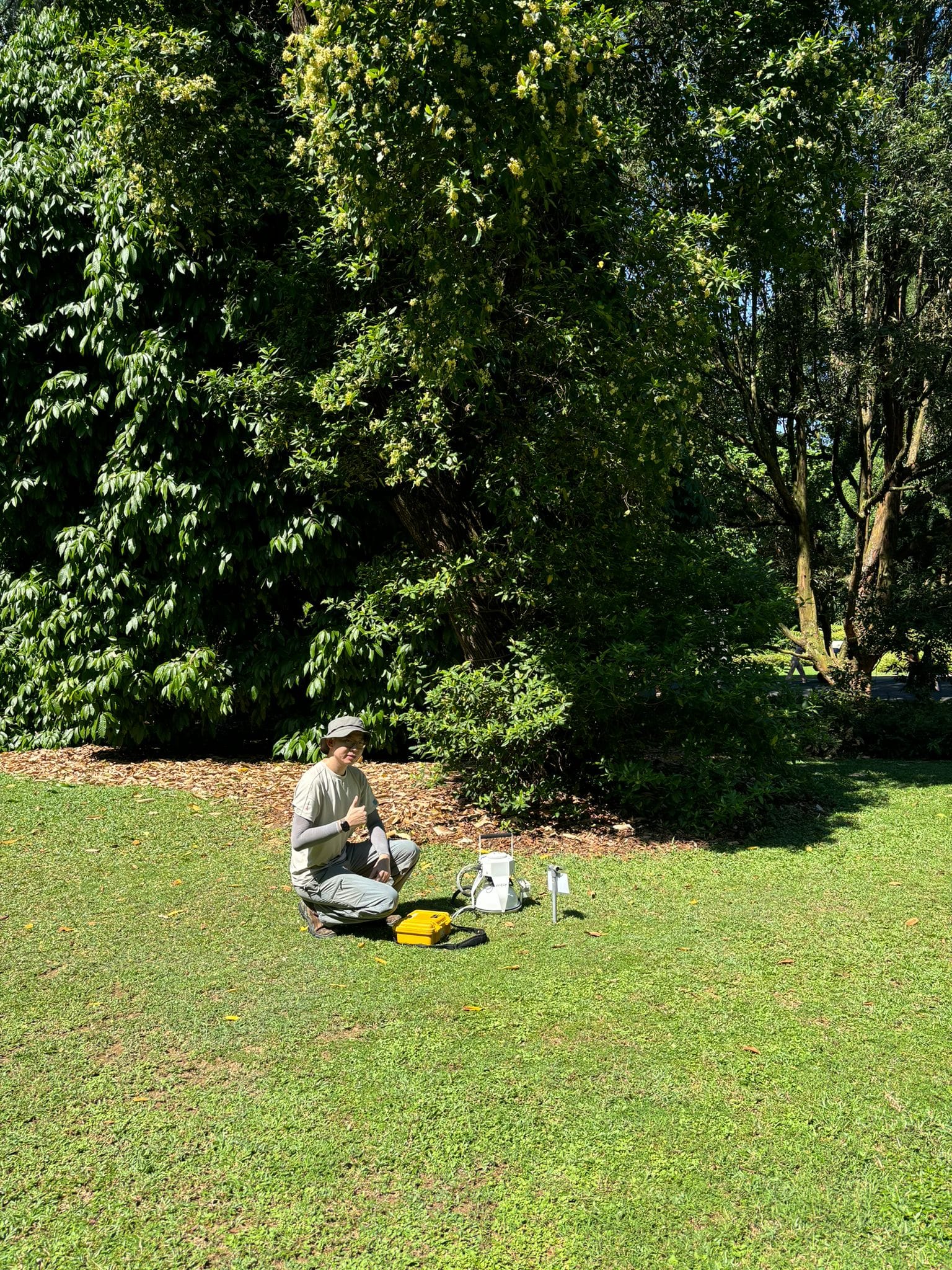
Launched in 2017, the Cities of Tomorrow (CoT) R&D programme (opens in new tab) is a multi-agency effort led by MND that seeks to sustain Singapore’s success in the decades ahead by leveraging on Research and Innovation. Under this CoT programme, researchers from The Asian School of the Environment (opens in new tab) lead a project studying how invertebrates and microorganisms promote nutrient cycling in forests and urban green spaces across Singapore. Part of this project involves sampling leaf litter invertebrates in forests and parks across Singapore. Study sites include forest plots within the long-term forest ecological monitoring plot network, Bishan-Ang Mo Kio park, Jurong Lake Gardens, Singapore Botanic Gardens, and Yishun Park. These surveys also fall under the CCNR Comprehensive Biodiversity Survey.
For more information about this research and the people involved in it, visit the PIE Lab website (opens in new tab) and the TEE Lab website (opens in new tab).