
Dragonfly Watch
Join us in monitoring dragonfly and damselfly species across Singapore's parks. Contribute to conservation efforts while learning more about these insects.
Last updated on 15 September 2026
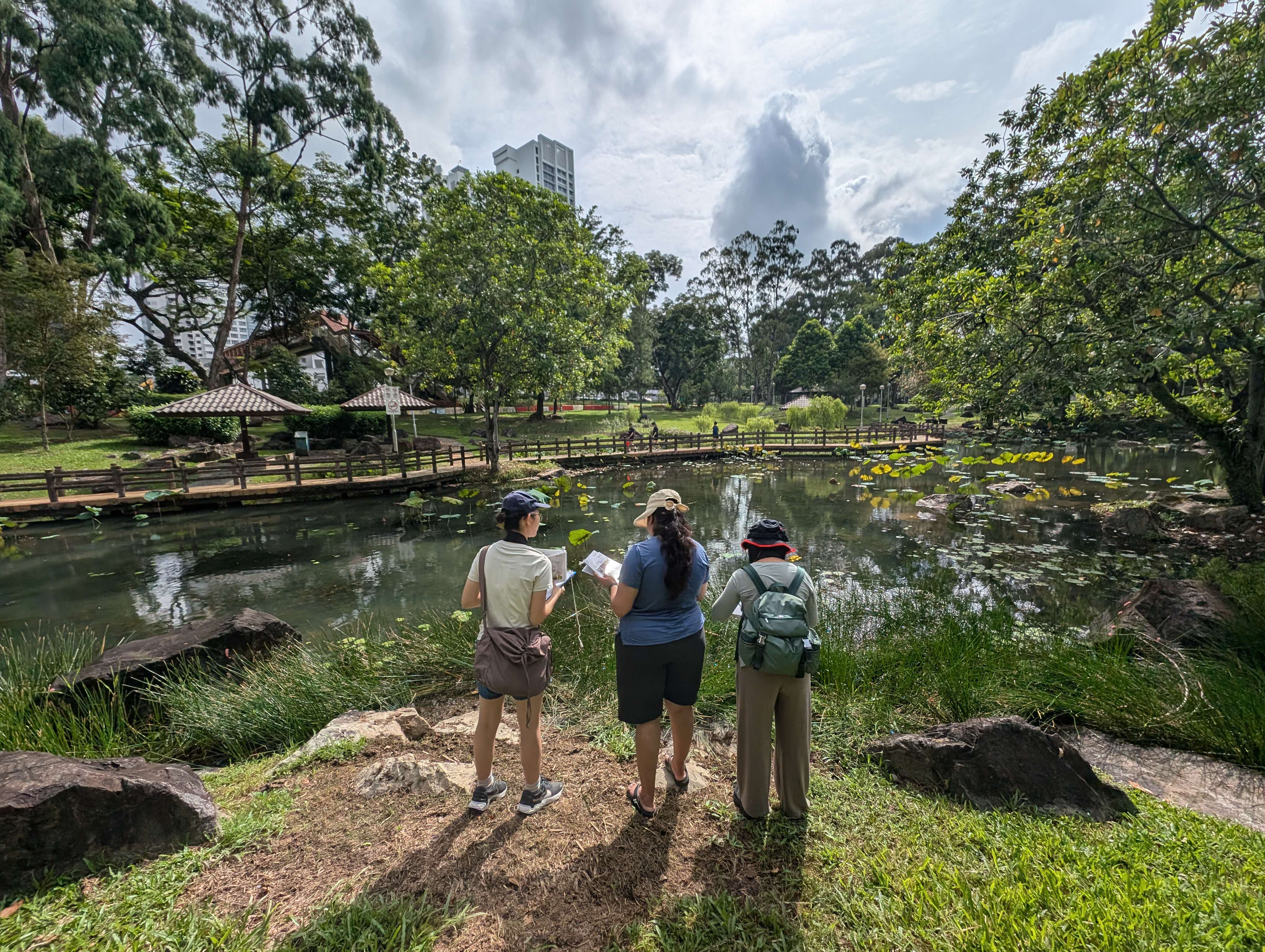
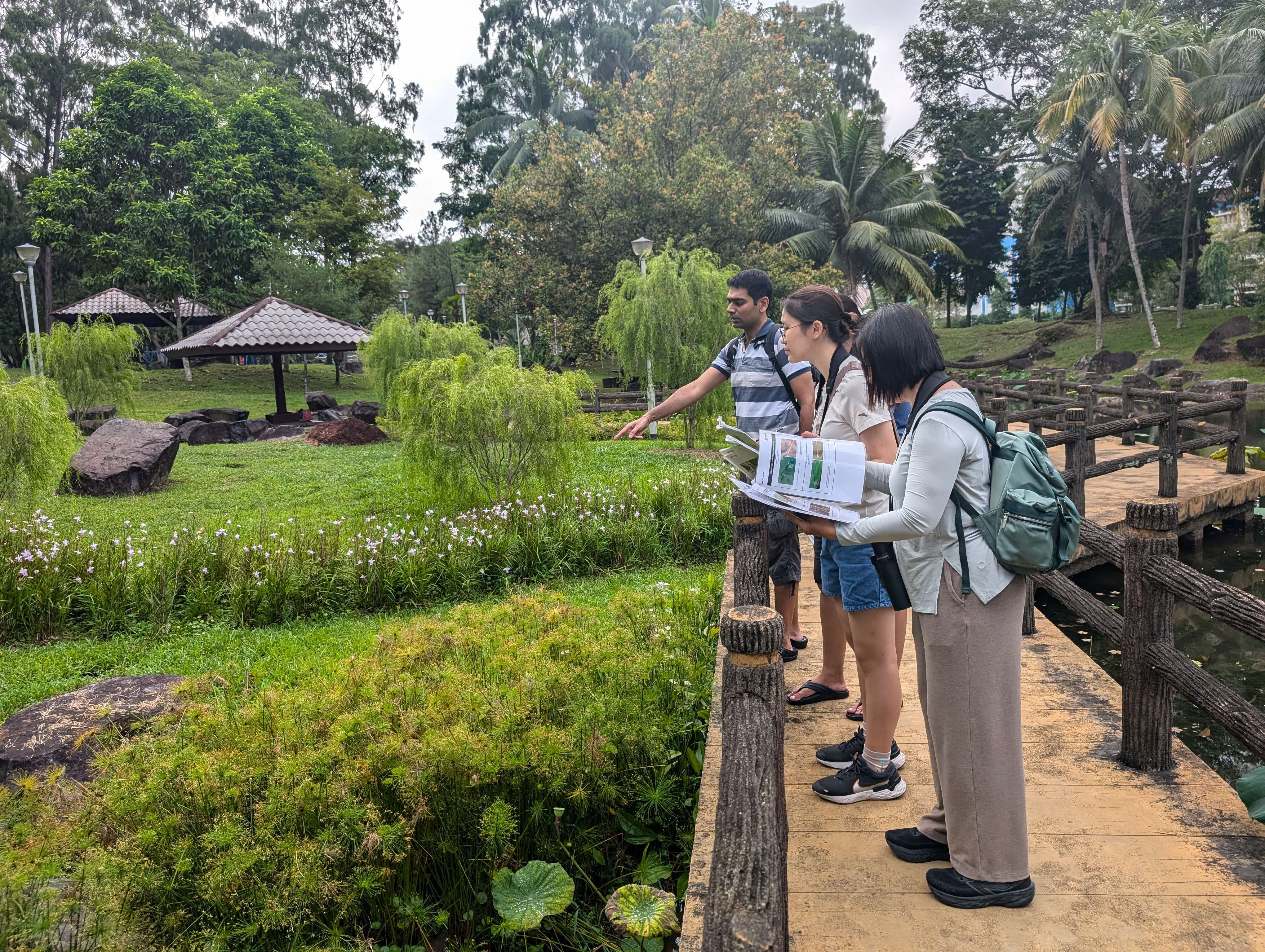
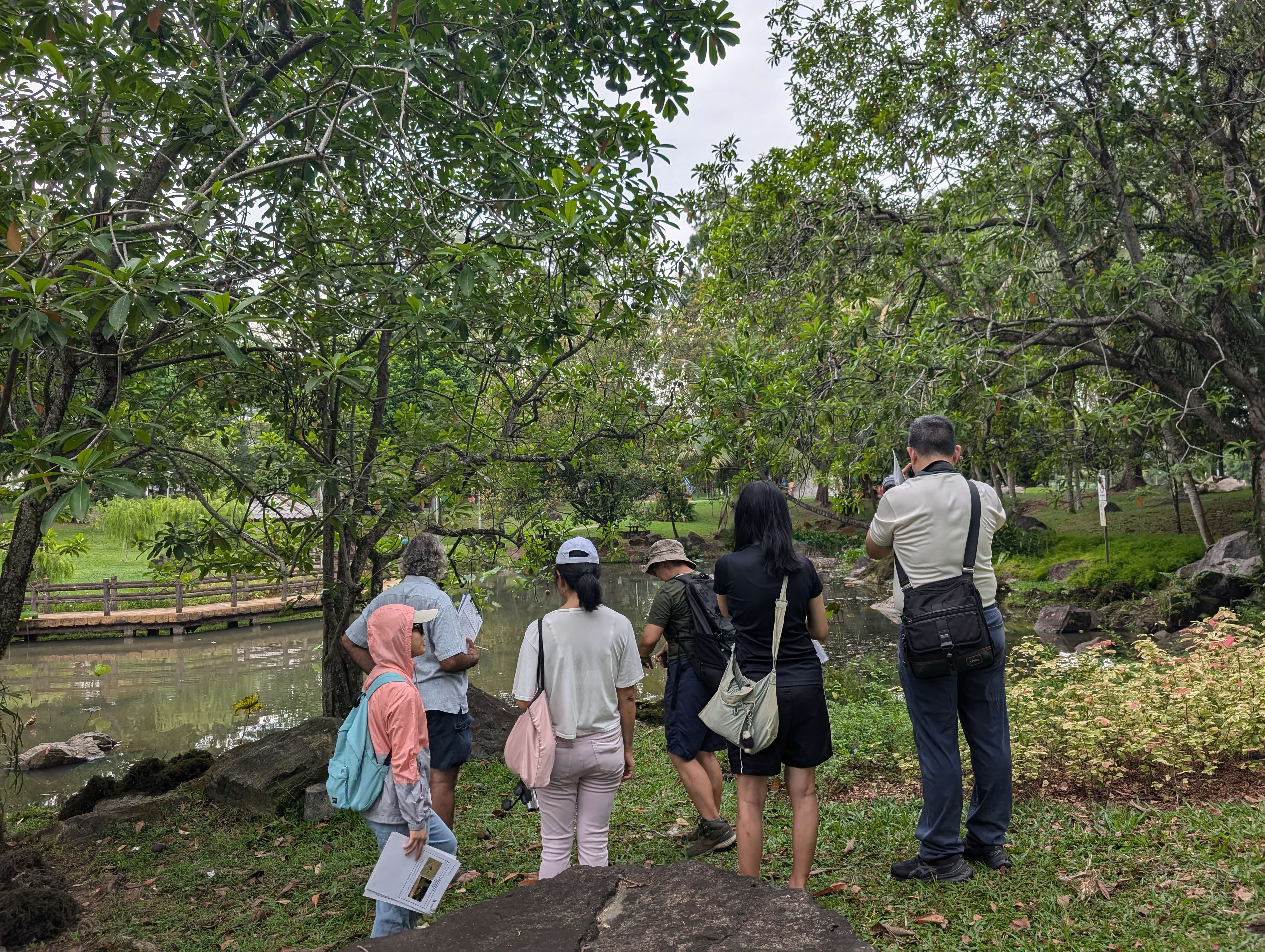
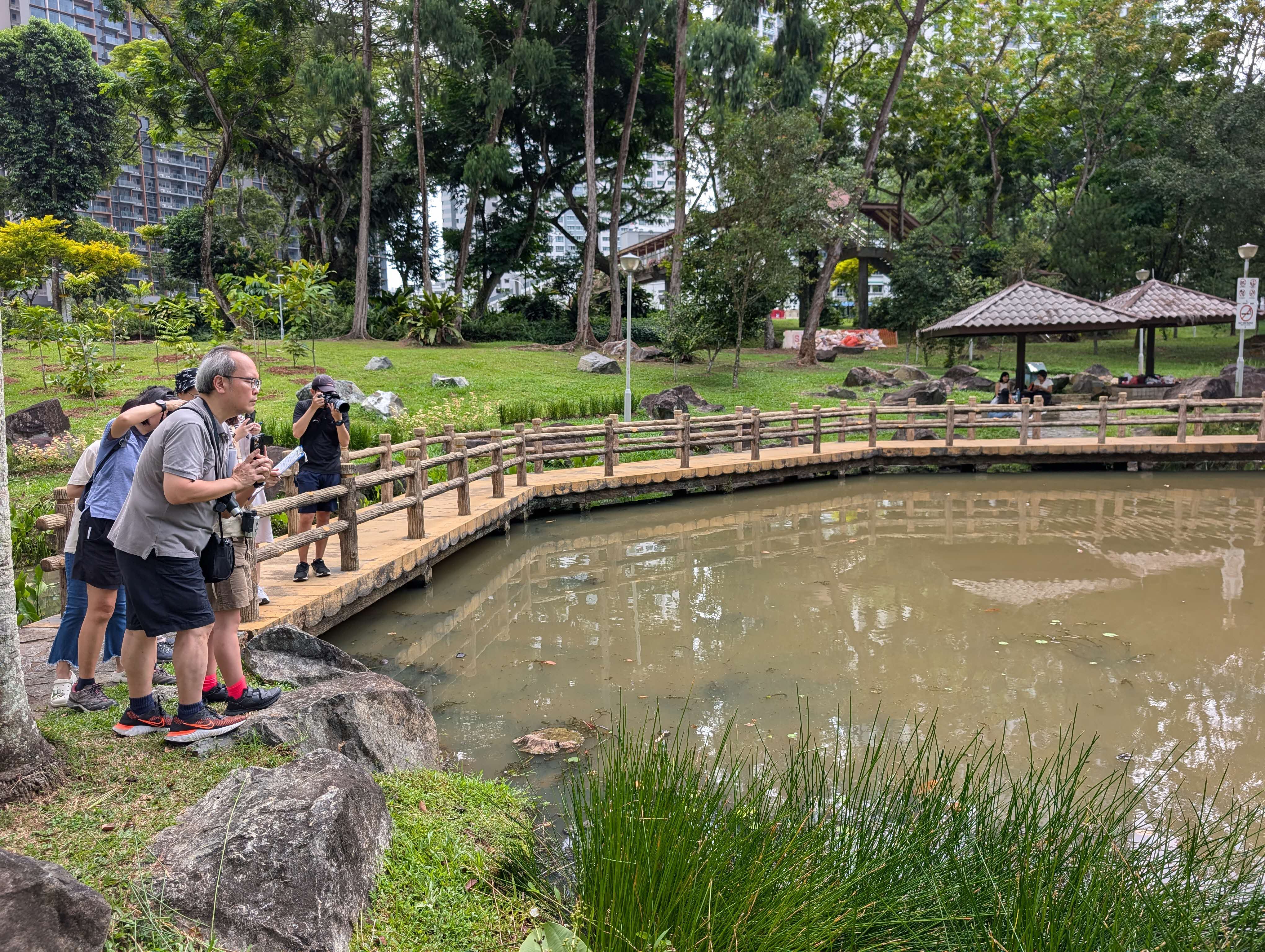
Enjoy spotting dragonflies and damselflies, or interested to learn more about them?
Join us for Dragonfly Watch to collect valuable data about dragonflies and damselflies, which contributes to their conservation.
Dragonfly Watch August 2026
Survey period: 15 to 23 August 2026
Training: Practical training will be on 1 and 2 August 2026 at Singapore Botanic Gardens. This is compulsory for new volunteers.
What you need: You need an account with Volunteer.gov.sg (opens in new tab) to register.
Registration is now open on Volunteer.gov.sg (opens in new tab)
Dragonfly Watch is a citizen science project where volunteers help monitor Singapore’s dragonfly and damselfly populations. Participants observe, count and record the flying predators across various parks and nature reserves.
It is organised biannually as part of NParks' Community in Nature Initiative.
Why this matters
The data you collect helps us track patterns in dragonfly and damselfly populations over time. This information helps NParks to develop better park management and conservation measures to sustain and enhance these populations.
Who can participate
All volunteers must go through an online training.
If you are new to Dragonfly Watch, you must also attend a practical training workshop before you can participate.
About the training programme
You will learn basic survey and dragonfly-watching techniques, as well as how to identify of 23 common dragonflies and damselflies in Singapore.
The training programme includes:
Online training materials
The training materials will be sent to you upon confirmation of your registration.
Practical training workshop at the Singapore Botanic Gardens (about 1 hour long)
This short field session allows you to try out the techniques taught in the online video.
You will be assigned a one-hour slot for the practical training. You can view the dates and indicate your preference in the registration form.
Slots will be assigned on a first-come-first-serve basis, with priority given to new volunteers.
Children under 12
Children under 12 can join the survey, but they must be accompanied by a parent or guardian.
What you need
No special equipment is required to take part. All you need is either:
A datasheet and pen, or
A smartphone with access to our online form.
Although not required, a camera or binoculars can help you better observe and record the species.
What to expect
This is the typical process of taking part in Dragonfly Watch:
After you have registered, you will receive a confirmation email with more details.
View a theory training video and attend a practical training if you are new to dragonfly watching or wish to have a refresher. Find out more about the training (opens in new tab).
A few days before the Dragonfly Watch, we will send you information about your assigned survey site and transect locations.
Head down to your site on any day within the survey period and conduct the survey at your assigned location. The survey should take no longer than three hours and can be conducted any time from 9am to 5pm. The following windows are recommended: 9am to 12pm, 2pm to 5pm.
Submit your survey results via our online form.
Frequently Asked Questions (FAQ)
What are the species I might encounter?
There are 23 species in total for you to identify:
Damselflies
Variable Wisp (Agriocnemis femina)
Ornate Coraltail (Ceriagrion cerinorubellum)
Common Bluetail (Ischnura senegalensis)
Blue Sprite (Pseudagrion microcephalum)
Dragonflies
Common Flangetail (Ictinogomphus decoratus)
Trumpet Tail (Acisoma panorpoides)
Grenadier (Agrionoptera insignis)
Blue Dasher (Brachydiplax chalybea)
Common Amberwing (Brachythemis contaminata)
Common Scarlet (Crocothemis servilia)
Common Parasol (Neurothemis fluctuans)
Spine-tufted Skimmer (Orthetrum chrysis)
Blue Skimmer (Orthetrum glaucum)
Variegated Green Skimmer (Orthetrum sabina)
Scarlet Skimmer (Orthetrum testaceum)
Wandering Glider (Pantala flavescens)
Common Chaser (Potamarcha congener)
Banded Skimmer (Pseudothemis jorina)
Common Redbolt (Rhodothemis rufa)
Yellow-barred Flutterer (Rhyothemis phyllis)
White-barred Duskhawk (Tholymis tillarga)
Crimson Dropwing (Trithemis aurora)
Scarlet Basker (Urothemis signata insignata)
Will Dragonfly Watch take up a lot of time?
No, the survey takes no more than three hours and can be done any time between 9am and 5pm during the survey period. We recommend you conduct the survey between 9am to 2pm or 2pm to 5pm.
If you volunteer to do counts at more than one site, you may need to spend more time, but it is flexible according to your availability.
Is the training workshop compulsory?
The training workshops are compulsory for first-time participants. Returning volunteers do not need to attend, but they can opt to attend as a refresher.
Find out more about the training workshops (opens in new tab).
Can I choose a location for the watch?
When you sign up, the registration form will require you to indicate your preferred location to carry out the survey at. Our team will then assign you a location that is within or close to your preference.
Alternatively, if you do not have a preference or would like to have a location that is further from your home, please either indicate the zone that you would prefer to conduct the survey at, or no preference in the registration form.
Can schools, companies and organisations participate?
Yes, you can register online for groups of up to 5 people. When registering on Volunteer.gov.sg (opens in new tab), look out for the question "Group Code" and input the same code for all members in your group. (e.g. DragonflyWatch123 – please think of your own unique code).
Large groups should contact cin@nparks.gov.sg for more information on registration.
Contact us
For enquiries, please email cin@nparks.gov.sg with "Dragonfly Watch" in the email subject
Interested to join but missed the survey period? Join our mailing list (opens in new tab) for regular updates on our upcoming programmes.
Learn how to identify dragonflies

Dragonfly and damselfly species of Singapore
Check out some of the common species of dragonflies and damselflies you may encounter.
Identifying dragonflies and damselflies
Learn the basics of identifying dragonflies and damselflies and equip yourself with the right tools as you become a citizen scientist!