Mangrove forests in Singapore
Discover our coastal mangrove forests and explore the fascinating species that thrive within Singapore’s mangroves!
Last updated on 1 July 2026
Mangrove forests are among the world's most productive wetlands, providing resources such as food and medicine, and offering protection to coastlines by mitigating the impact of waves during storm surges. Mangrove forests also serve as nurseries for many fish species, playing a key role in the continuity of our marine ecosystems.
In Singapore, mangroves are under threat from urbanisation and human population growth, with less than 5% of the original habitat from the 1800s still remaining today.
All about mangrove roots
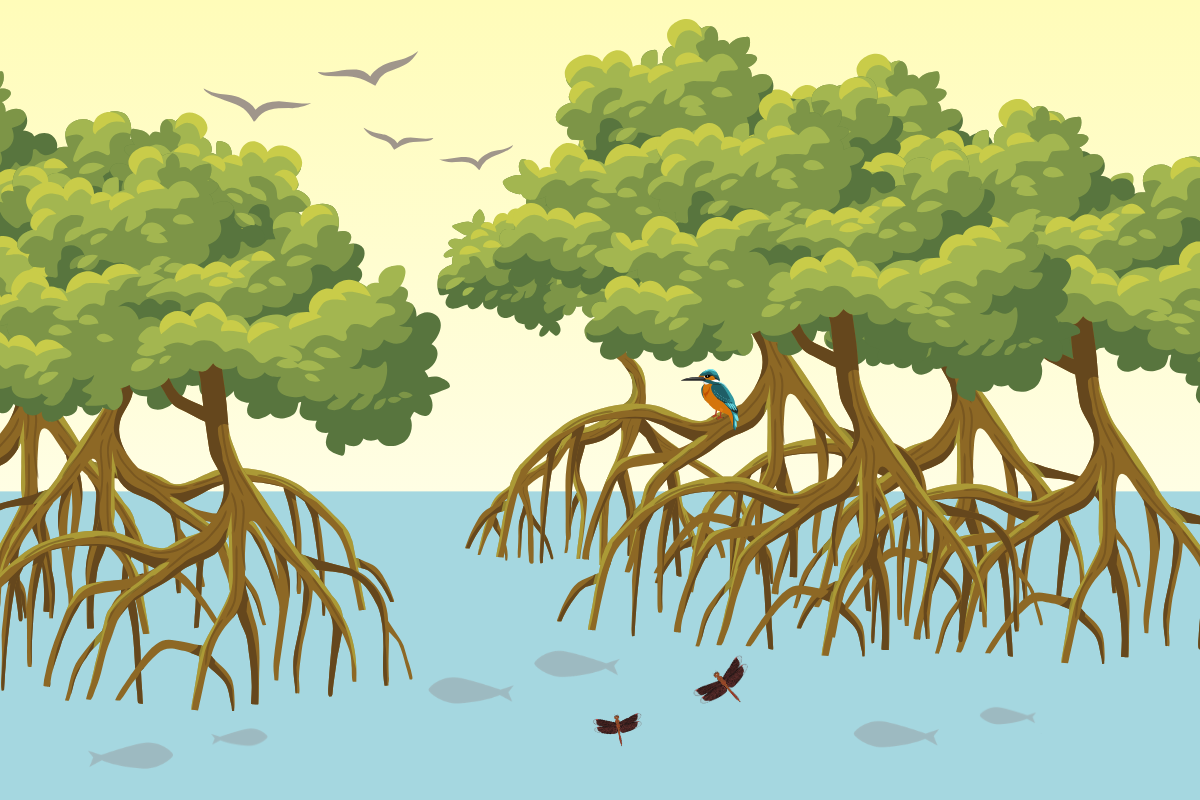
Mangrove trees have special roots that come in different shapes and sizes, including pencil roots, buttress roots, knee roots and stilt roots. These adaptations allow trees to survive in the unique mangrove conditions. Some types of roots help trees stand upright in soft, muddy soil, while other types help them obtain enough water and air.
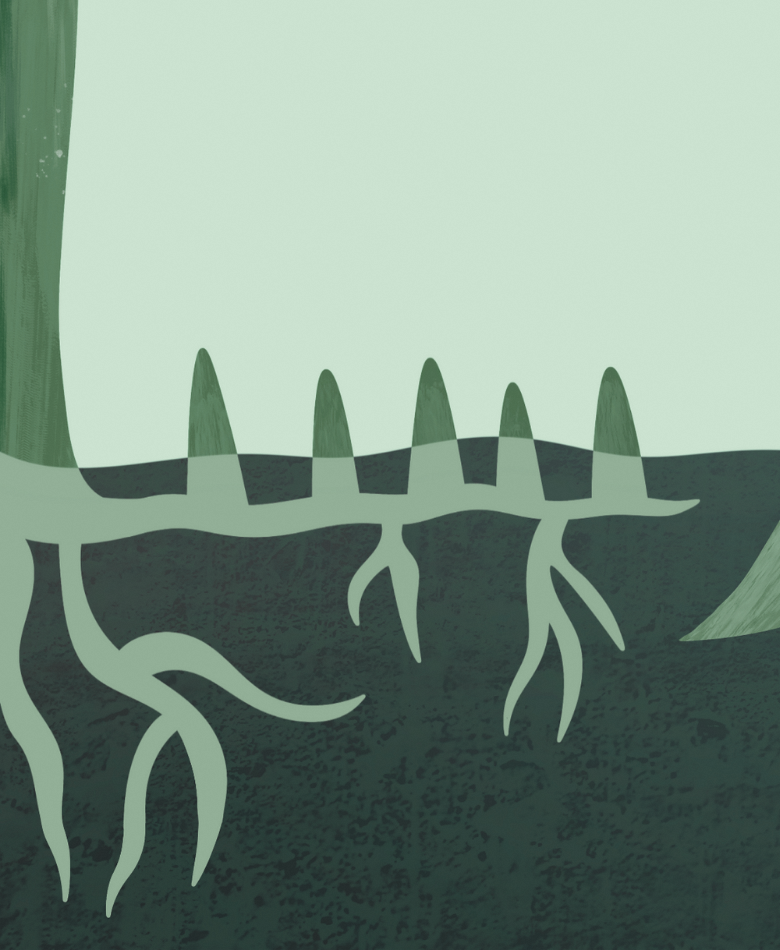
Pencil roots
Pencil roots are thin, upright roots that stick out of the mud like pencils, allowing mangrove trees to breathe aboveground – a necessary adaptation to waterlogged soils.
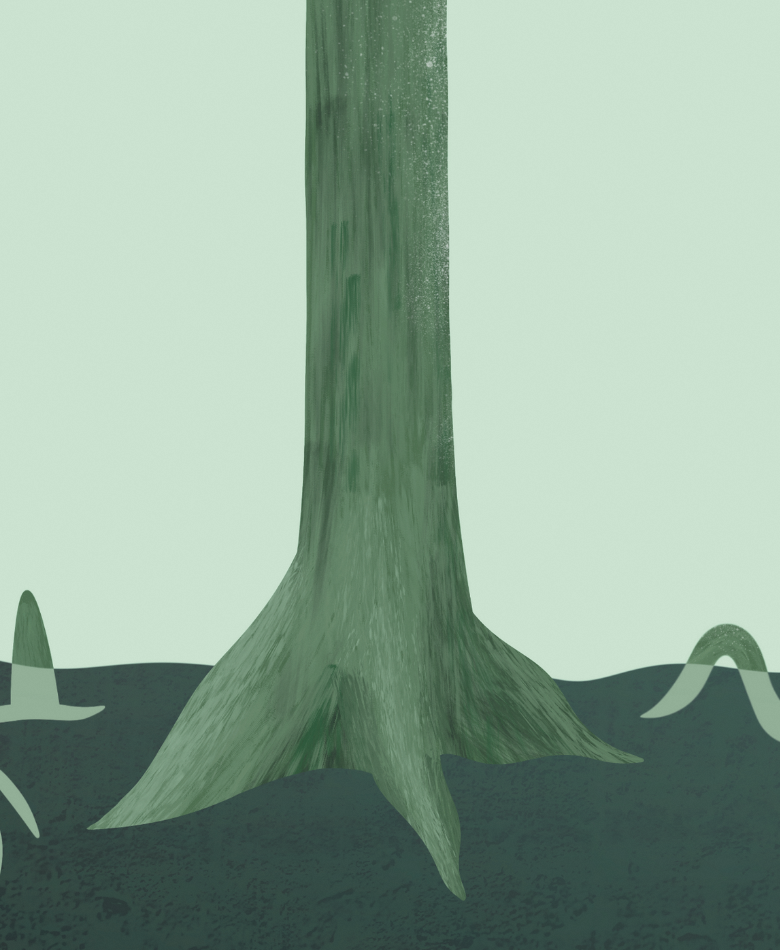
Buttress roots
Buttress roots are large, flared roots at the base of the tree that provide extra support and keep tall mangrove trees steady.
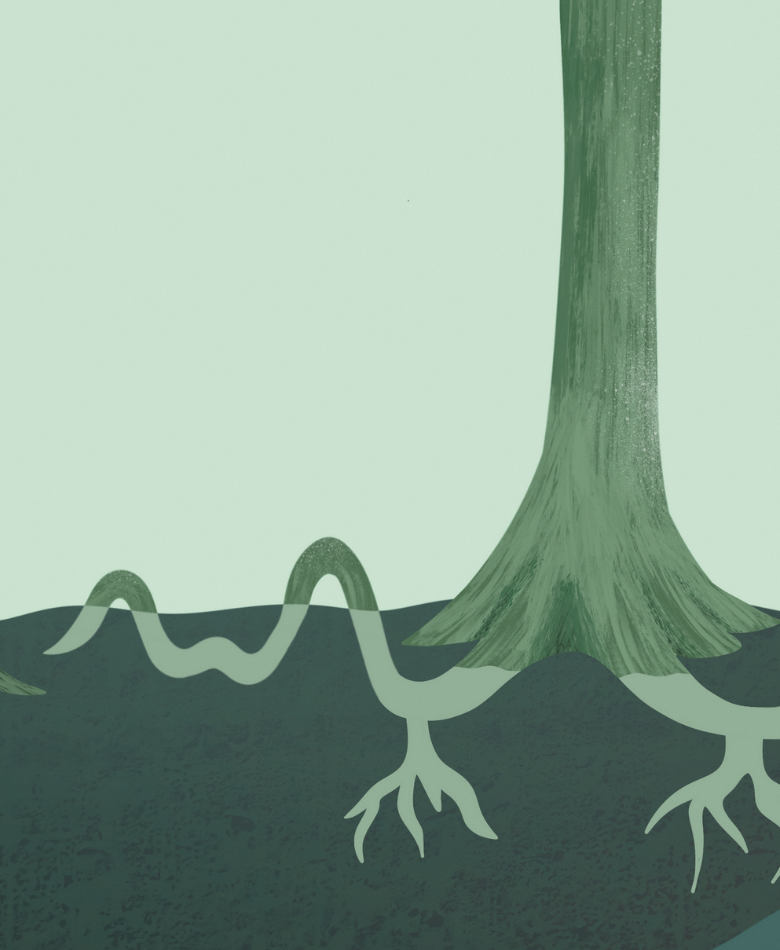
Knee roots
Knee roots bend up and out of the soil in a shape like a bent knee, making it easier for the tree to breathe in muddy areas.
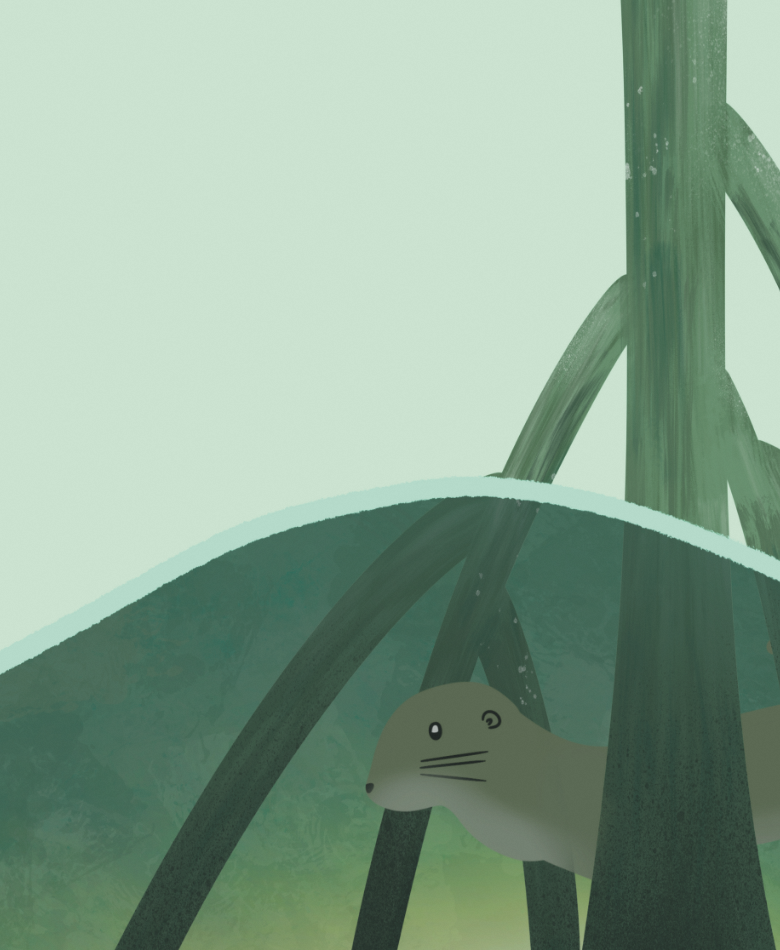
Stilt roots
Stilt roots grow above the ground like stilts, lifting the tree and helping it stay stable in soft, wet soil.
Curious about mangroves? Read more about our mangroves forests through this storymap (opens in new tab)!
Where can we find mangrove forests in Singapore?
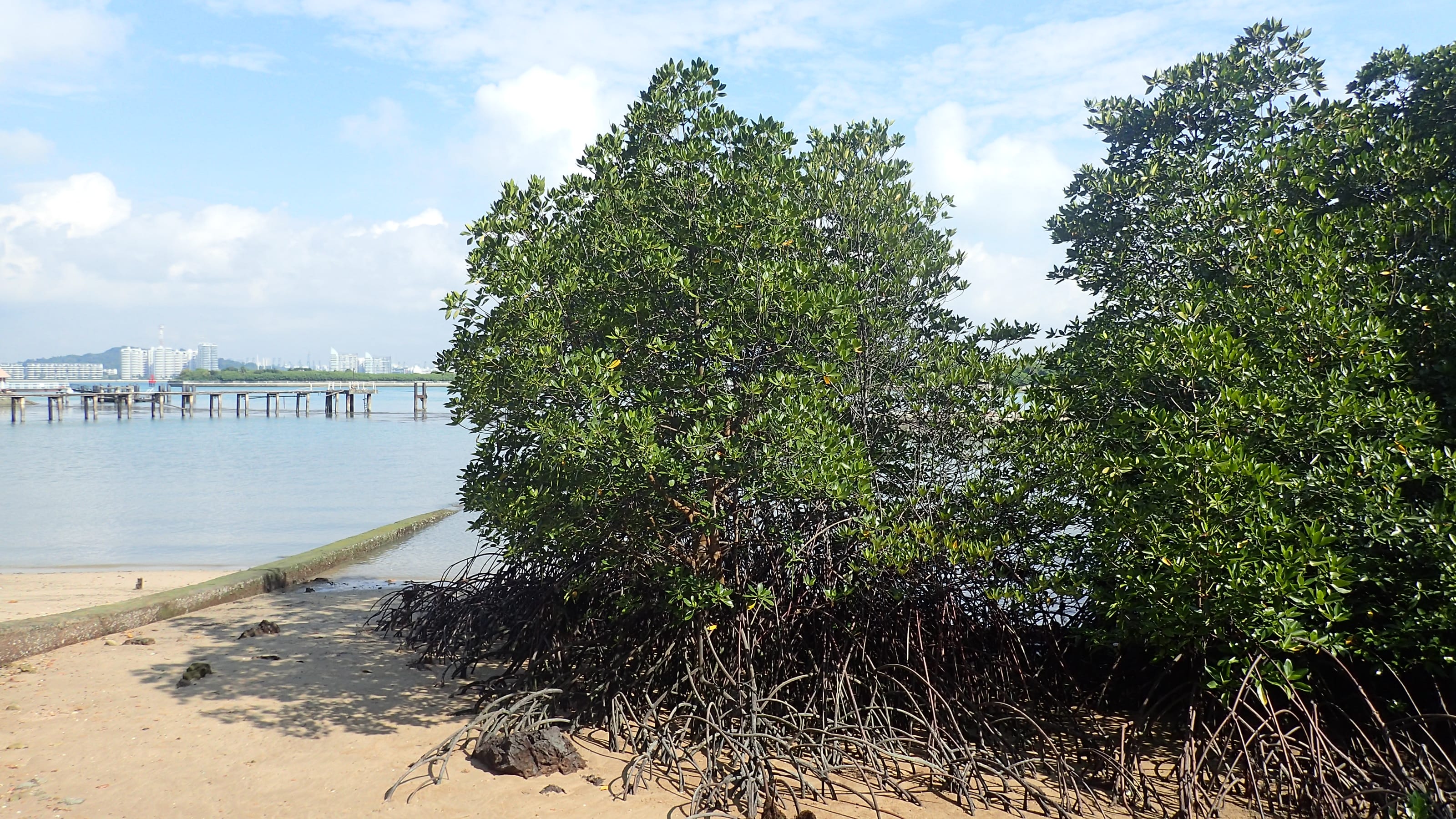
The largest mangrove forest on Singapore’s mainland covers 130 hectares and can be found in Sungei Buloh Wetland Reserve (opens in new tab). It is legally protected and recognised as a site of international importance for migratory birds. Mangrove forests can also be found on our offshore islands such as Pulau Ubin, Pulau Semakau, Pulau Tekong, Khatib Bongsu, and at Pasir Ris Park and Berlayar Creek.
Conservation of mangroves
Conservation efforts by NParks include research collaborations to better understand and protect these vulnerable areas.
Past studies have focused on topics such as the role of mangrove insects as indicators of habitat quality, impact of marine navigation and chemical contaminants on mangroves, and the dispersal of mangrove propagules (seeds of mangrove trees that can germinate while attached to the parent tree or after falling into water or soil).
Nature-based solutions for coastal protection
NParks uses nature-based methods to protect and restore coastal areas.
Such initiatives have been used to protect the coastline and mangrove forests in Pulau Tekong as well as Kranji Coastal Nature Park.
Highlights of the Kranji Coastal Nature Park project include:
Preserving existing mangroves.
Solutions that were tailored to the area's unique environmental features, focusing on greening, flood-resistant design and enhancing ecosystems to improve climate resilience.
Eco-engineering solutions that aim to encourage sediment build-up and natural mangrove regeneration, guided by advanced modelling techniques from the National Biodiversity Centre.
Installation of a 400-metre-long low rock barrier. This barrier reduces wave energy, helps sediments to settle, and supports the natural growth of mangroves.
Restoration of a 0.49-hectare coastal vegetation belt that mirrors the natural progression from inland terrestrial forests to coastal and mangrove forests. This belt provides new habitats for wildlife and acts as a buffer against rising sea levels and storm surges.
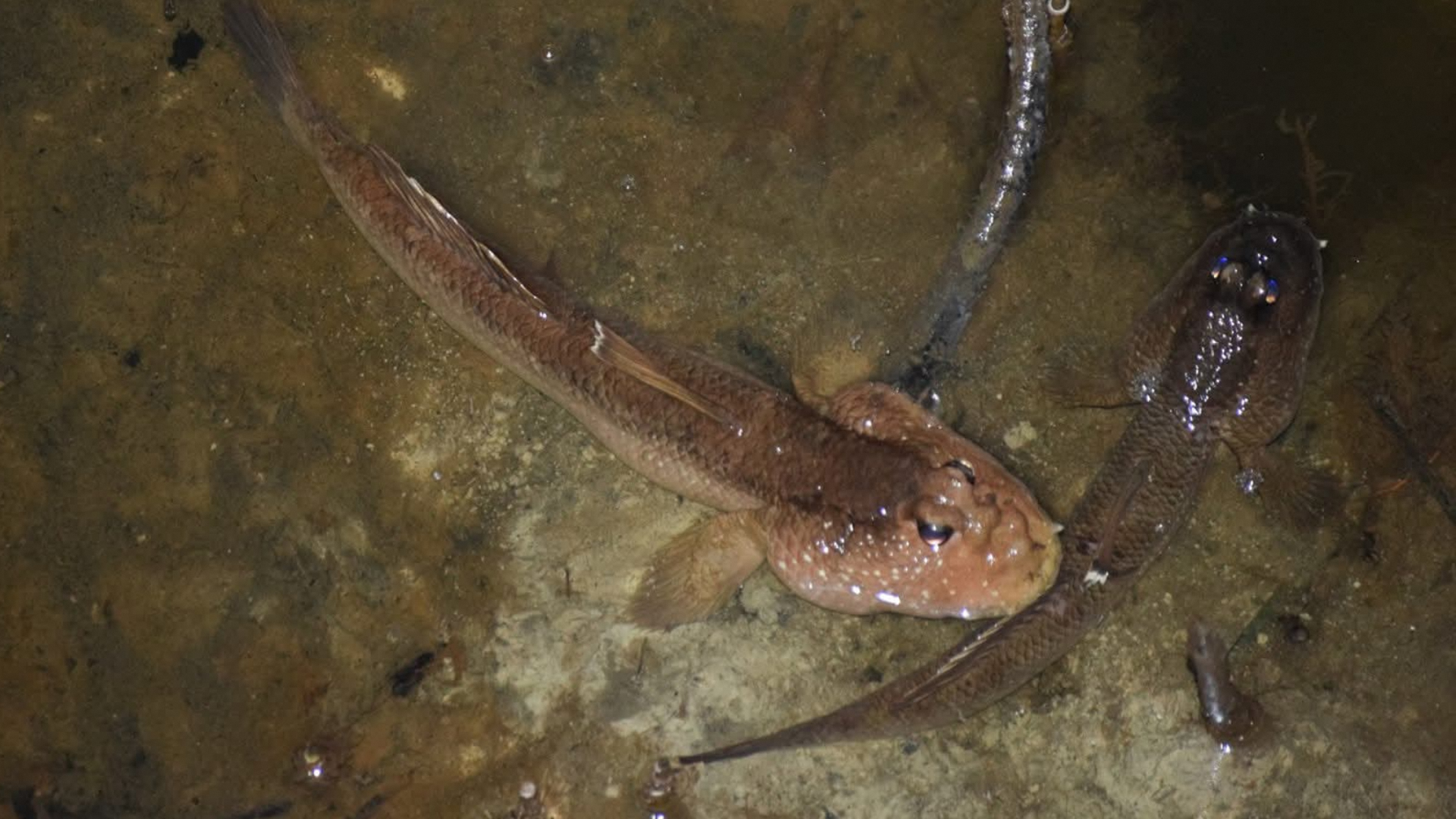
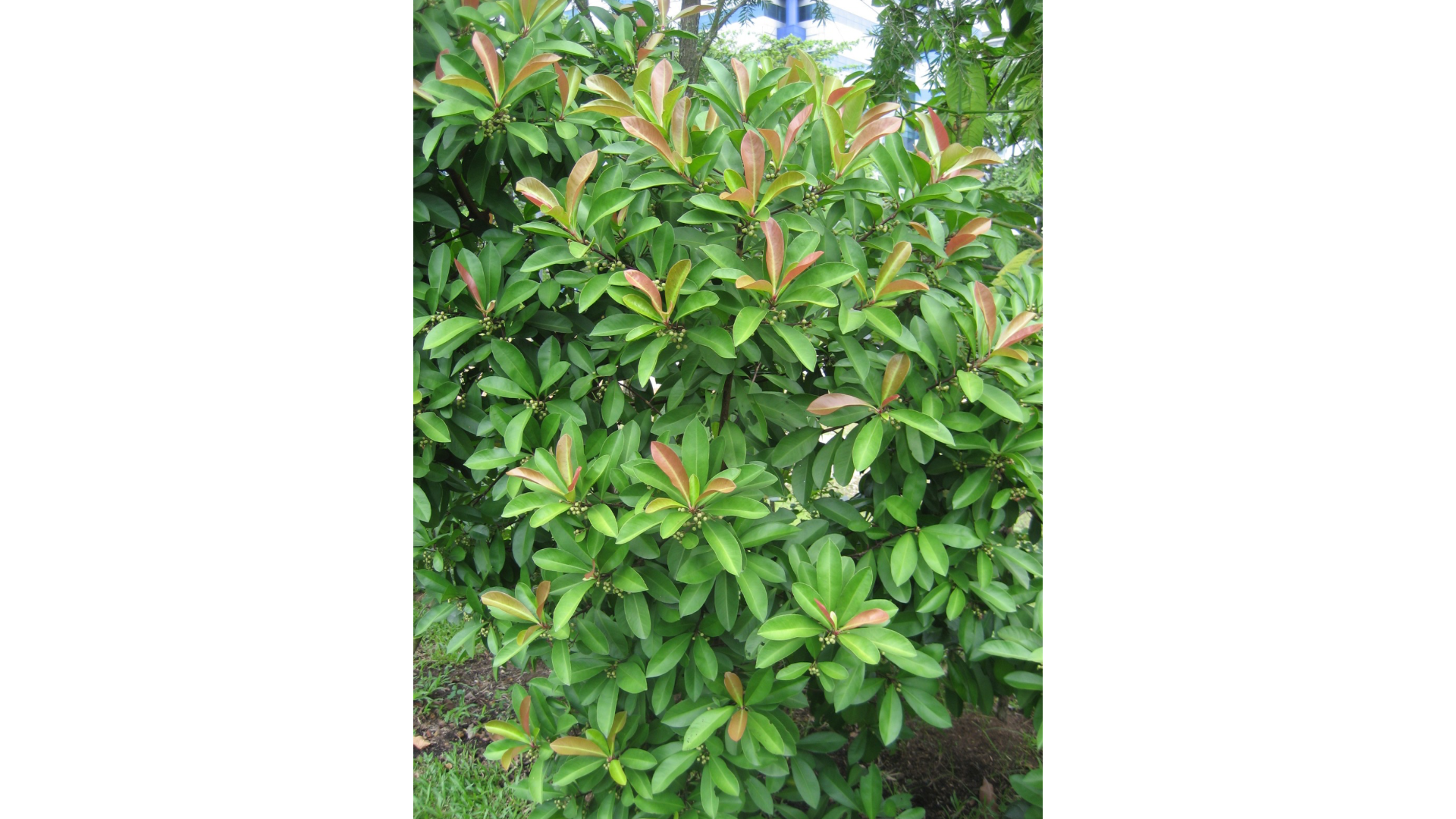
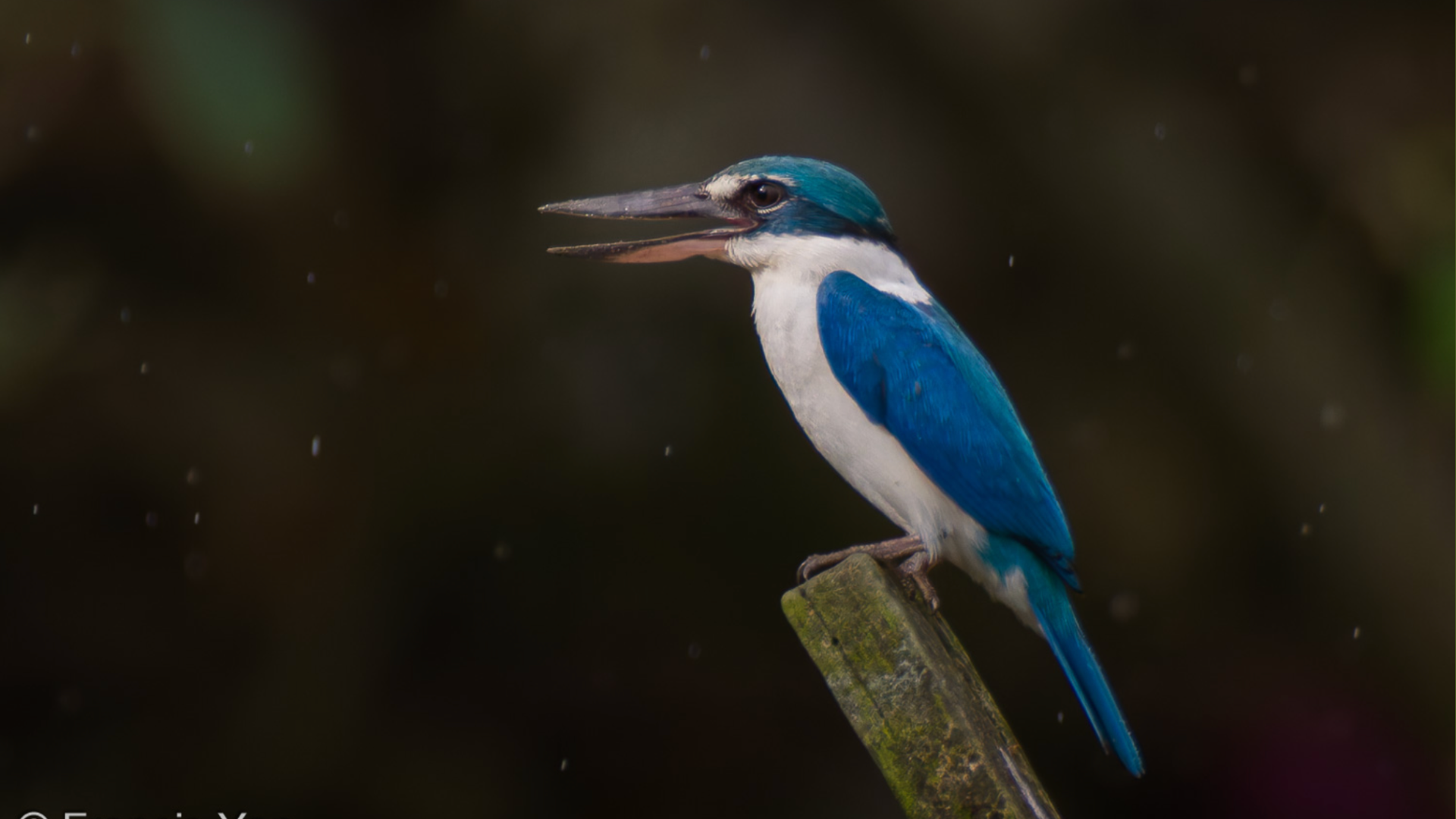
Discover the biodiversity of our mangrove forests!
The mangrove forests in Singapore provide vital habitats for countless species. Click on the cards below to learn more.